
Voyerty

Oxford Street hotels in London

1,184 relevant stays analyzed for Oxford Street hotels in London.

Compare live prices, review signals, and direct availability links before booking.

LondonOxford StreetEUR

SHOPPING AND THEATRE

Trade Central Shopping Access For Instant West End Reach

Stay here to turn long shopping sprees into quick store‑to‑show logistics with minimal travel time.

Swipe right to see more
Best for

Shoppers who want full retail days and short transfers to evening theatre bookings.

Choose this if

Choose this cluster when same‑day shopping and quick pre-show commutes outweigh quieter streets.

Know before booking

Expect smaller rooms, higher nightly rates and crowded pavements around peak retail hours.

Best area feel

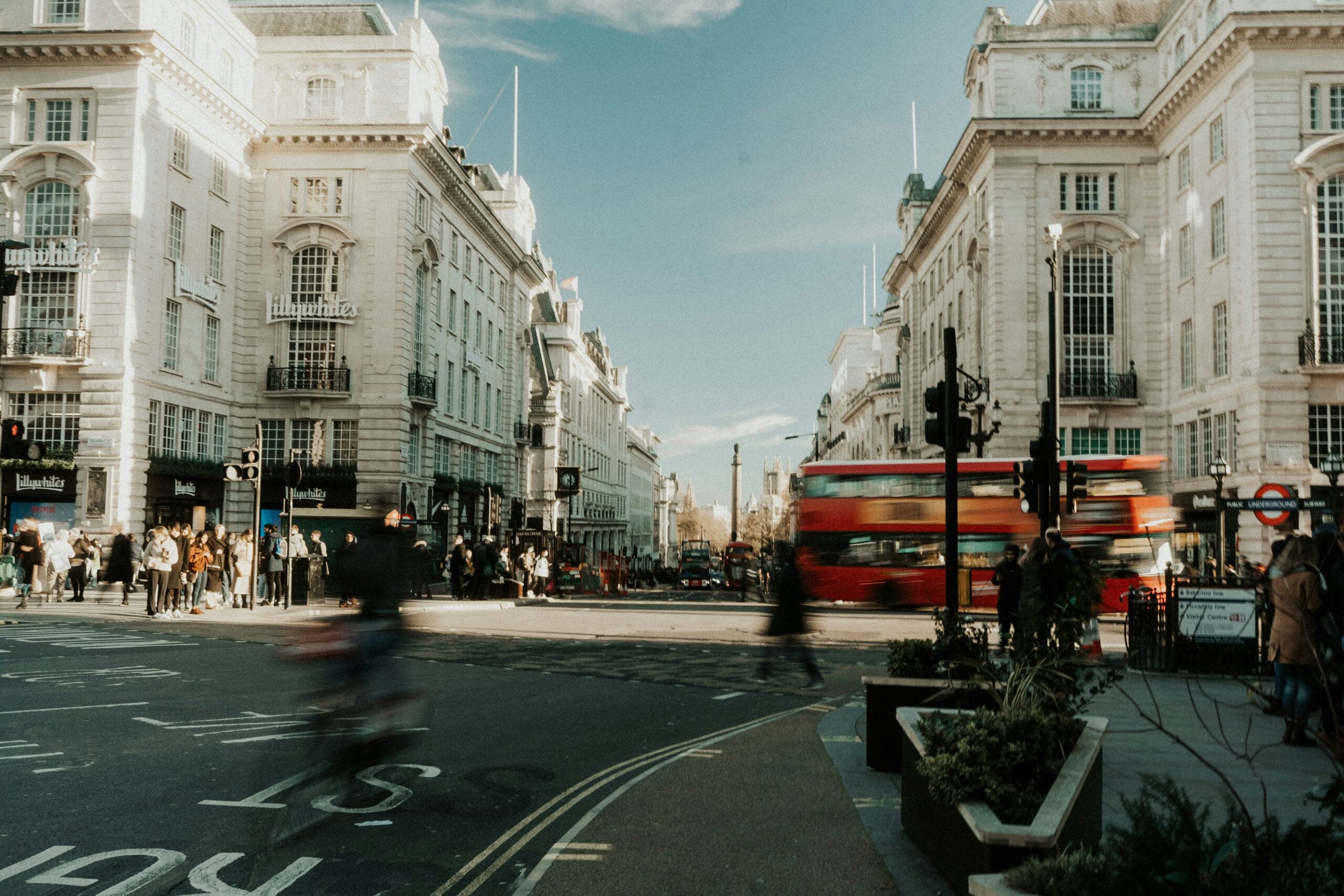
A lively, pedestrian retail strip with frequent tube links and theatre crowds after dusk.

VOYERTY EDITORIAL · RETAIL OVER RELAXATION

Central London Shopping Base with Quick Theatre Connections

Choose this cluster when you want doorstep shopping access and short transit rides to evening performances. These hotels concentrate you in the busiest retail corridors so you spend less time traveling between stores and theatres and more time moving between purchases, fittings, and shows. This works best for short stays focused on shopping days, quick cultural nights out, and travelers who trade larger rooms for location convenience. It does not suit guests who need long stretches of in-room quiet, large family suites, or strict long-term budget stays. If your priority is minimizing transit time between shops and shows, this is the pragmatic choice; if serenity or extra space matters, look elsewhere.

The cluster succeeds by collapsing transit and retail into a compact radius: hotels here offer straightforward check-in, close pedestrian access to shopping streets, and fast Tube links to evening venues. The trade is clear—convenience over expansive on-site facilities—so privacy, room size, and in-hotel amenities are secondary. Decision logic is simple: pick this area when your itinerary centers on timed shopping events, afternoon fittings, or last-minute theatre tickets and you want to maximize daytime hours. Avoid it if you need a dedicated work set-up, long quiet periods, or large communal hotel spaces. For rate and availability strategy, target weekday stays outside major sale weekends or reserve early for performance-heavy dates.

Expect smaller room footprints and fewer on-site extras than in quieter neighbourhood hotels. Family suites and interconnecting rooms are limited—book well in advance for holiday weekends and seasonal sales. Noise from late-night deliveries and busy streets can persist until late; higher-floor or courtyard rooms reduce it but are scarcer and often cost more. Many properties restrict early check-in and hold luggage only briefly during peak shopping days, so time arrivals around official check-in or arrange prepaid early access. Breakfast seating fills quickly on weekends, so reserving a slot or picking a later time affects your morning plans and pacing.

Mornings generally begin with leaving the hotel for immediate shop openings, carrying parcels back mid-morning for short breaks. Days alternate between focused purchases and short pit-stops at the hotel to change or drop bags, with frequent short walks or brief transit hops. Afternoons commonly include a pause for refitting or a quick meal, then a return to targeted shopping or a transition to cultural venues. Evenings typically involve a pre-show refresh at the hotel followed by a short trip to performances and a direct return afterward. The rhythm here is repeated movement, not extended in-room stays.

This area is for shoppers, couples on brief cultural stays, and business visitors who need fast access to retail and evening venues between meetings. It fits travelers who plan active days and quick hotel turnarounds rather than long in-room hours. Not for families requiring multiple connected rooms or guests who insist on guaranteed night-long quiet. Not appropriate for extended remote-work trips that require large desks and private hours. If you prioritize location that trims travel time between shops and shows, book here; if your trip depends on space or silence, choose a different base.


Plan trains, guided tours, and day-trip departures from nearby stations and visitor hubs within easy reach of your stay.

Experience London's Vibrant West End Shopping Scene

Immerse yourself in the city's iconic shopping districts, cultural landmarks, and scenic spots. Staying in this area provides unparalleled access to the legendary Oxford Street shopping spree, world-class theater, and Soho's eclectic charm.

Tours, Tickets & Transfers

Pre-booked tours, timed-entry tickets and airport transfers make busy travel days easier to manage. Securing activities in advance helps avoid long queues, peak-hour delays and last-minute price jumps.
Powered by GetYourGuide

Oxford Street Hotels for Shopping DaysQuick West End reach with walkable shopping bases

Booking the closest hotels to Oxford Street secures instant retail access but often trades off quieter nights and lower rates. Choosing slightly off-high-street or Soho/Marylebone-adjacent hotels usually preserves calm and value while keeping the West End a short walk or Tube hop away.

When heavy shopping is the goal, prioritise hotels that offer concierge package handling and step-free entrances to avoid extra trips and carrying weight.

Popular picks for Oxford Street Hotels for Shopping Days

Walkable hotels near Oxford Street Oxford Street walkable hotel zones Hotels near Oxford Street for shopping Hotels with fast West End access Fast theatre access hotels near Oxford Street Quiet street stays by Oxford Street Boutique hotels near Oxford Street Soho-adjacent hotels for theatre nights Marylebone hotels close to Oxford Street Budget shopping hotels near Oxford Street Hotels with concierge package service Top rated stays

Shop-first stay logic

If your trip is retail-focused, pick a hotel within a five- to ten-minute walk of Oxford Street to maximise store hours and minimise bag-carrying time; expect higher room rates and busier façades the closer you get. Confirm package-handling and early check options so shopping doesn't end with hauling bags back to a distant base.

Area positioning and access

Hotels on side streets off Oxford Street or in adjacent Soho and Marylebone balance quieter evenings with still-fast access to the West End, typically adding only a short walk or Tube hop. Choosing a block with step-free access and nearby concierge services materially reduces friction on full-shopping days.

Tradeoffs to prioritise

Decide between direct-high-street convenience (shorter walks, louder nights, higher rates) and side-street calm (lower rates, quieter rooms, marginal extra walk); if theatre plans feature, weight fast West End links slightly higher.

Hotels near Oxford Street for focused shopping stays

This cluster matters because Oxford Street proximity converts time into purchases: staying within walking distance reduces transit time, lets you return to the room between shopping runs, and makes late store hours usable. A clear insight—hotels one block off the high street often cut noise and price without costing more than 7–10 minutes on foot. For shoppers who plan multiple store stops, access to concierge package handling and nearby drop-off points is a practical multiplier on convenience.

Choose by prioritising how you will move: if you want door-to-door retail access, pick a high-street-facing hotel and confirm luggage/package policies; if evenings and sleep quality matter, look for quiet side-street or Marylebone addresses with good walk links to the West End. Factor in step-free access if you'll be carrying heavy bags and check whether the hotel offers early check-in or secure luggage storage to make shopping days smoother.

Shopping-stay booking questions

Should I stay directly on Oxford Street?

Staying on Oxford Street gives immediate shop access but usually means louder streets and higher prices, so it's worth paying only if you value door-to-door retail convenience. If you prefer quieter nights or better value, pick a nearby side street instead.

Is Soho or Marylebone a better base for shopping and theatre?

Soho keeps you closer to evening theatre and nightlife while Marylebone tends to be calmer and more residential, so pick Soho if late shows are planned and Marylebone if quiet evenings and slightly better value matter. Both offer short connections to Oxford Street.

How important is concierge/package handling for shopping stays?

Very important—hotels that accept packages, offer temporary storage, or provide porter service save time and reduce the physical cost of multiple shopping stops. Confirm these services before booking if you plan heavy purchases.

Can I avoid noise without sacrificing location?

Yes—target hotels on side streets one block off Oxford Street or those with street-facing rooms away from major intersections, which cut noise while keeping walks to stores short. Look for recent guest notes about room quietness and double-glazed windows.

What's the fastest way to reach West End theatres from this area?

Most hotels within walking distance of Oxford Street put West End theatres a short walk or quick Tube ride away, so prioritise properties that advertise direct walking routes or nearby Tube access to minimise transfer time.

Scroll to Top