
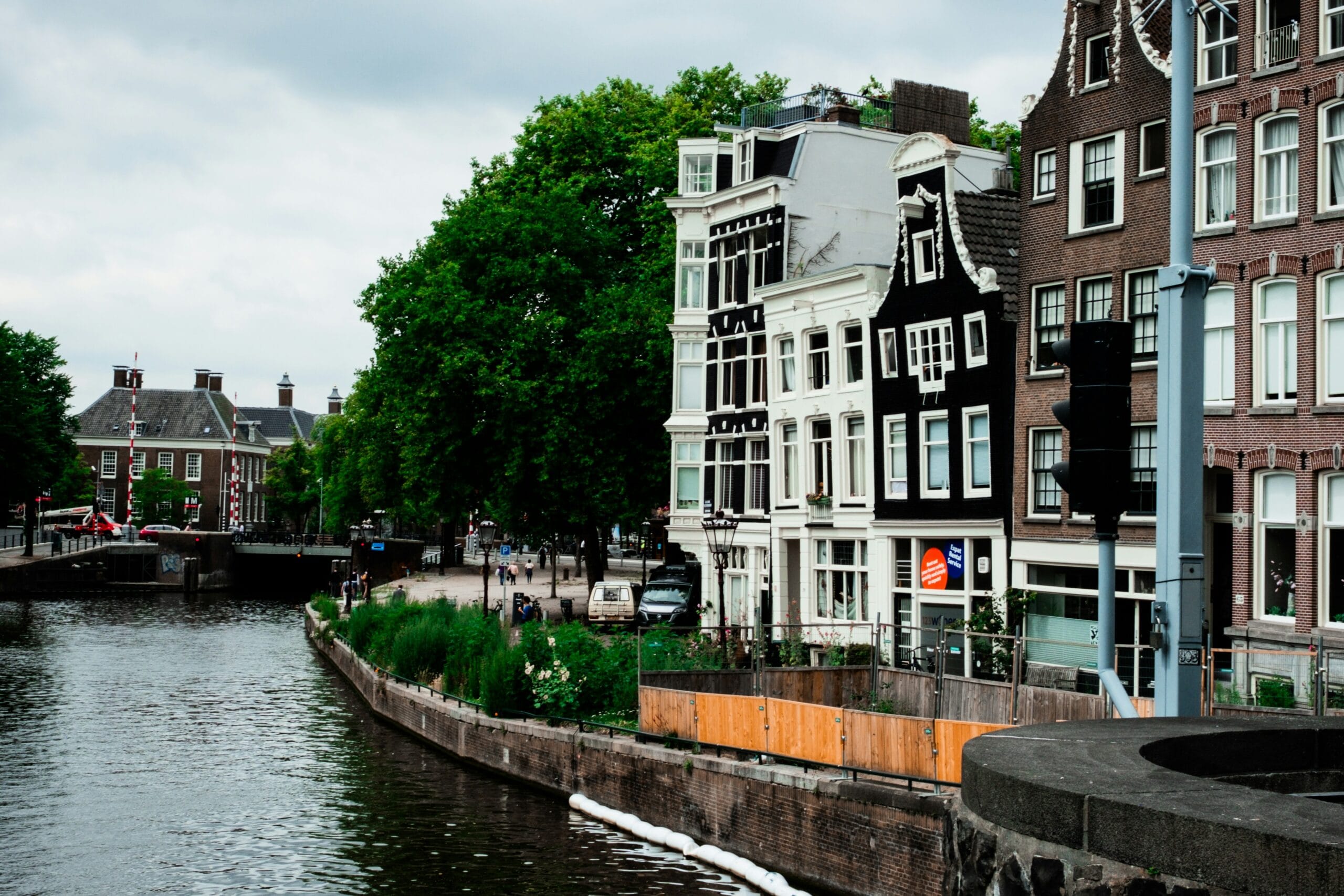
Amsterdam Quiet Hotels In City Centre
Stay central without sacrificing the part of the trip every good hotel should protect: a solid night’s sleep.
Quiet hotels in Amsterdam
✓ 99 relevant stays analyzed for Quiet hotels in Amsterdam.
✓ Compare live prices, review signals, and direct availability links before booking.


CITY CENTRE QUIET
Central Amsterdam Hotels Built For Quiet Nights And Easy Walking
Rooms on inner courtyards or side streets, close to museums and trams but away from canal bars.
Light sleepers and business travellers who need central access without nighttime disturbance.
Choose if you prioritise quiet overnight sleep over being steps from canal bars.
Expect smaller rooms and fewer on-site nightlife options than lively canal-front hotels.
You will sleep to the hum of trams and courtyard birds, not bar crowds.
VOYERTY EDITORIAL · QUIET OVER CENTRALITY
Choose a Calm Central Stay for Focused Amsterdam Visits
Choose this cluster when you need the city centre on foot but refuse its constant after-hours clatter. This option works best for travelers who want short commutes to meetings, museums and transport hubs while keeping the room as a quiet base for rest or work. It does not work for guests seeking loud nightlife, instant 24/7 on-site entertainment, or sprawling resort-style facilities. If your priority is social buzz or large-group hospitality, pick a different neighbourhood; if you value being steps from transit and a peaceful room, this cluster is the faster, quieter choice.
These hotels trade street-level bustle for sound-insulated rooms and restrained public spaces, so you get proximity without sacrificing privacy. Decision logic: choose here when proximity to central services and a quiet in-room environment matter more than hotel nightlife or expansive amenities. The cluster concentrates smaller properties and boutique wings rather than large convention hotels, so staff-to-guest interactions feel low-key and predictable. Compared with downtown party hotels, you give up late-night bars and buzzy lobbies but gain stable sleep, uninterrupted remote work time and quicker exits for appointments. If reliable rest and compact logistics beat hotel-powered experiences, this cluster streamlines your stay.
Expect smaller room footprints and fewer on-site dining choices; many properties rely on nearby cafés for meals. Weekend availability tightens around local events and conferences, so advance booking is often required for desirable room types. Front-desk hours and late-checkout options are commonly limited, and private parking is rare or costly—plan transfers accordingly. These constraints directly affect arrival times, meal planning and group bookings, so reserve early and confirm service windows if your schedule depends on flexible check-in or shared meals.
Mornings start with a short walk to a transit stop or a café for quick coffee; you’ll often be out for most of the day. Work blocks happen in-room or at nearby quiet cafés, with lunch close to meetings to avoid long returns. Afternoons are for appointments, galleries or short business calls, then a discrete return to the hotel for focused downtime or catching up on work. Evenings are low-key: a calm restaurant dinner or a brief stroll before an early night. The rhythm favors compact outings and predictable return times rather than late-night social plans.
Book here if you need central access, dependable sleep, and a compact, work-friendly room with minimal on-site fuss. Do not pick this cluster if you plan to party until dawn or require family suites and adjoining rooms. This choice excludes travelers who need full-service resort amenities or 24-hour entertainment. If your priority is efficient days and quiet nights in the city centre, this cluster delivers a clear, reliable stay.
Check local transport links and book transfers, walking tours or day-trip tickets to make the most of nearby sightseeing options.
Quiet Haven in Amsterdam's City Centre
Unwind amidst Amsterdam's tranquil canals and charming architecture, while staying centered in the heart of the city without sacrificing a good night's sleep.
Tours, Tickets & Transfers
Amsterdam quiet hotels in city centre — Stay central while protecting your night's sleep
Central Amsterdam rooms often trade silence for convenience, and choosing the wrong street will turn a short walk into a sleepless night. This cluster filters city-centre options to canal-side facades, quiet side streets and upper-floor room types that actually reduce late-night noise.
Avoid booking a ground-floor canal-facing room if silence is your priority, since location and floor matter more than star rating.
Popular picks for Amsterdam quiet hotels in city centre
Sleep-first room choices
Prioritize upper-floor rooms and inward-facing windows when booking; those two choices cut most street noise without sacrificing central access. Requesting a room away from canal-side terraces or above the second floor is a simple, high-impact booking move.
Canal vs side-street positioning
Canal-side addresses give scenery but often sit next to towpaths and evening foot traffic, while side streets trade a view for quieter nights and easier room orientation control. Use the hotel's address and recent noise reviews to decide which tradeoff you accept.
Access versus absolute quiet
If you value doorstep nightlife access, accept some late noise; if sleeplessness is the risk, choose quieter side streets and upper floors even if that adds a 5–10 minute walk to key spots.
Choosing Amsterdam quiet hotels in city centre
This cluster matters because central convenience often comes with predictable noise — canal-front promenades, evening terraces and delivery traffic concentrate along main canals, while side streets and upper floors can shield guests. A pragmatic insight: moving up one or two floors and asking for an inward-facing room typically reduces street noise more than paying for a higher star rating. That makes location detail and room orientation the primary decision levers here.
Choose by comparing the hotel's exact street address, recent guest noise comments, and available room categories rather than relying on labels; request upper-floor, courtyard-facing rooms when booking. If you need quick access for daytime meetings, favor quiet side streets near transit nodes; if views matter, pick canal-front but insist on higher floor and reinforced glazing.
Common booking questions
How do I verify a room will be quiet?
Check the address on a map for proximity to main canals and nightlife streets, read recent noise-specific reviews, and request an upper-floor, inward-facing room in your booking notes.
Is a canal-side hotel always noisier than a side-street option?
Not always — canal-side hotels can be peaceful on higher floors or with good glazing, but ground-floor canal-facing rooms generally carry more foot and terrace noise than side-street counterparts.
Should I book an upper-floor room before arrival?
Yes; securing an upper-floor room in advance is low-cost and typically more effective at reducing noise than last-minute requests at check-in.
Are soundproof windows guaranteed to solve noise issues?
Soundproof glazing helps a lot but doesn't eliminate all noise if the room faces a busy terrace or delivery route, so combine glazing with room orientation choices for best results.
What tradeoffs should I accept for absolute quiet?
Expect a slightly longer walk to main canal views or nightlife and fewer direct transport stops on the same street, but gain consistent sleep by choosing side streets and higher floors.