
Discover the
Seoul Explained: Areas, Rhythms & How to Experience the City Right
From the neon lights of Hongdae to the timeless palaces of Itaewon.
Your ultimate guide to the heartbeat of South Korea.
Seoul is a masterclass in contradiction: a city where 600-year-old palace walls are reflected in the glass of 123-story skyscrapers, creating a seamless bridge between a storied past and a hyper-digital future.
Local Wisdom
Ditch Google Maps
Navigation is restricted by law. Use Naver Map or KakaoMap for precise walking and transit directions.
T-Money Lifeline
Essential for all transport. Buy at any convenience store; reload with physical cash only.
Priority Seating
Never sit in designated elderly/pregnant seats, even if the train is empty.
Papago King
Google Translate fails on nuance. Papago is the industry standard for Korean translation.
The Two-Hand Rule
Always use both hands when giving or receiving objects (money, cards, drinks) to show respect.
Trash Scarcity
Public bins are rare. Use disposal points located inside Subway Stations.
Cafe Economics
Most cafes strictly enforce a "One Drink Per Person" policy for seated guests.
eSIM > Wi-Fi
Public Wi-Fi is good, but a local eSIM is vital for real-time map navigation.
Why Seoul?
A city where 600 years of Joseon history pulses beneath a hyper-digital neon surface. Here is what defines the Seoul experience.
Palaces & Skyscrapers
Witness the "collision of eras" at Gyeongbokgung, where 14th-century gates frame the view of the Lotte World Tower. Visit Bukchon Hanok Village to see preserved traditional homes still housing locals today, nestled against a futuristic skyline.
The Global Kitchen
Beyond K-BBQ, explore the art of Hanjeongsik (traditional full-course meals). Visit Gwangjang Market for authentic street food like Bindaetteok (mung bean pancakes) or try refined temple cuisine at Jinkwansa for a peaceful, vegetarian ritual.
The Hallyu Pulse
Walk the K-Star Road in Apgujeong to see entertainment agency HQs, or visit HiKR Ground for an immersive K-Pop media experience. Fans of K-Dramas can find iconic filming bridges along the Han River and the neon-lit alleys of Itaewon.
Third-Space Culture
Cafes are Seoul’s "living rooms." Visit Cafe Onion Anguk for coffee in a 100-year-old Hanok, or the industrial-chic Seongsu-dong district. In Korea, cafes are curated sensory escapes where interior design and "concept photography" are as important as the brew.
Nature in the Metro
Hiking is the unofficial national sport. Take a 45-minute subway ride to Bukhansan National Park for granite peaks, or walk the Seoul City Wall Trail at sunset. For a gentle escape, the Han River Parks offer 24-hour cycling and picnic spots.
Curated Seoul Stay Picks
Handpicked hotel areas with strong location logic — balanced for first-timers, nightlife seekers, and cultural explorers.
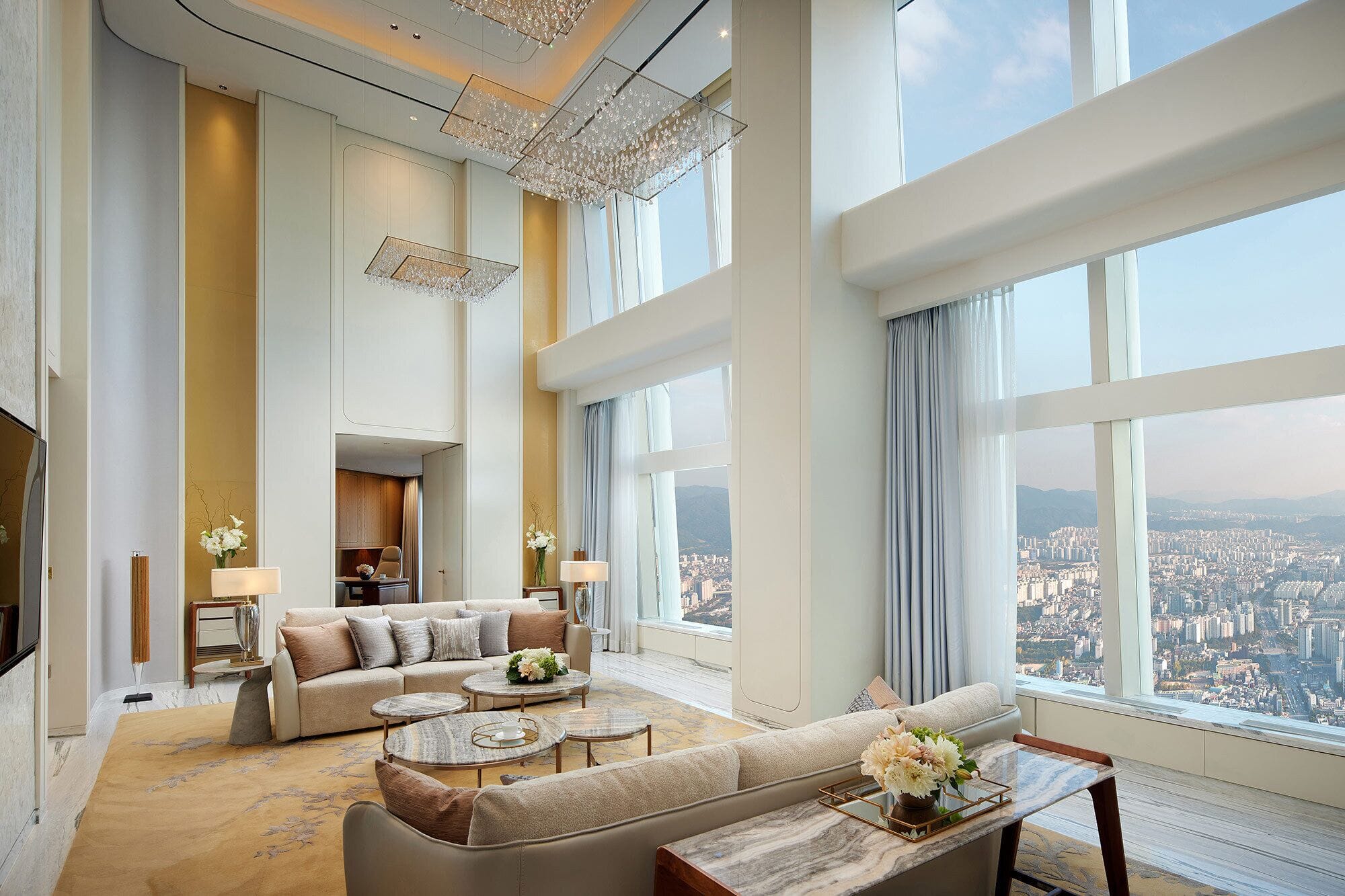
Signiel Seoul
Panoramic Seoul views stretch from the infinity pool at Evian Spa. Michelin-starred dining awaits at Stay restaurant, where culinary artistry matches the breathtaking cityscape. Retreat to impeccably cleaned accommodations with cloud-like bedding for the perfect night's rest.
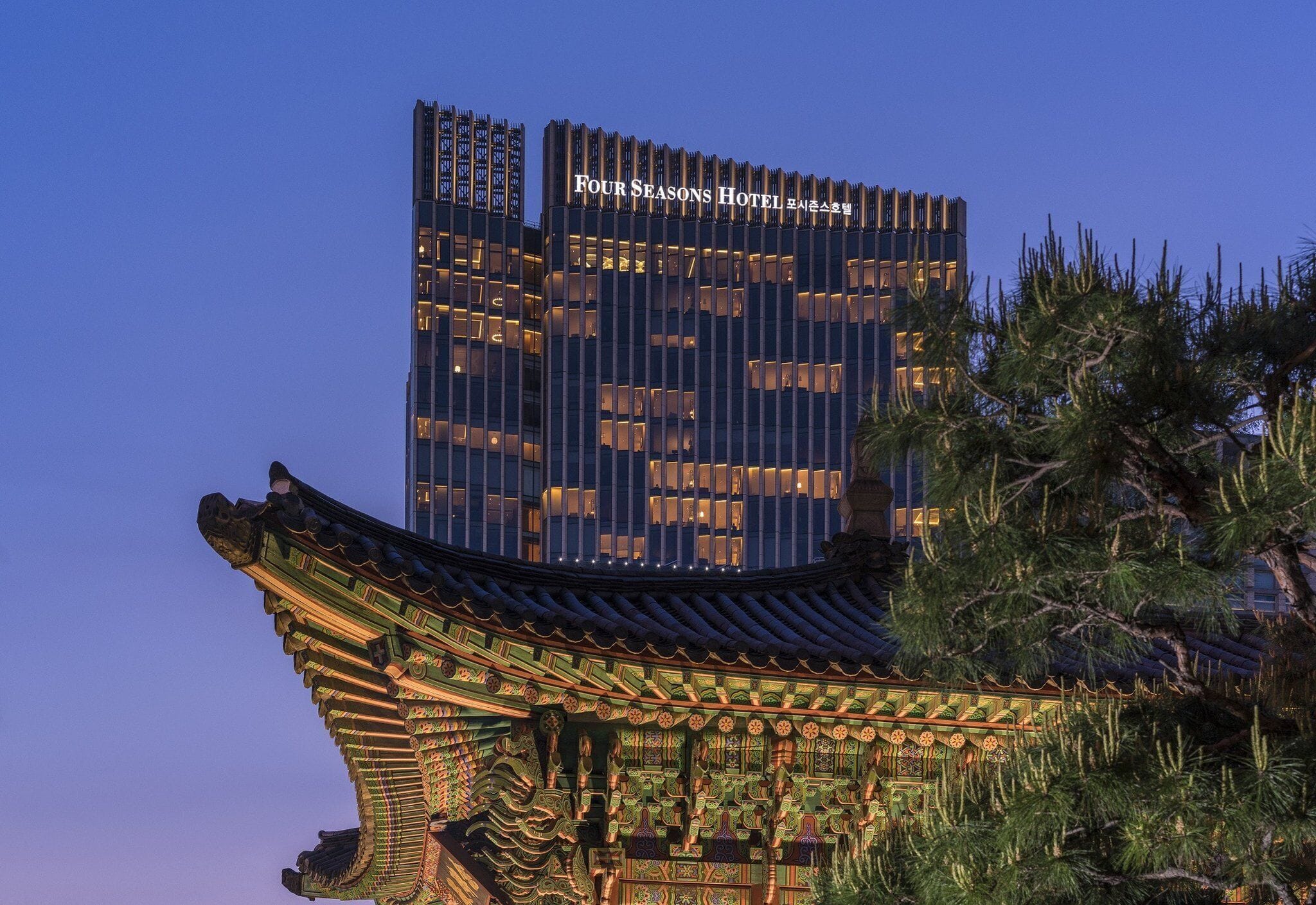
Four Seasons Hotel Seoul
Simulation golf zones and pro hitting bays elevate this fitness center beyond a standard gym. After working out, unwind in the hot tub while enjoying panoramic Seoul skyline views through floor-to-ceiling windows. The attentive staff anticipates needs perfectly.
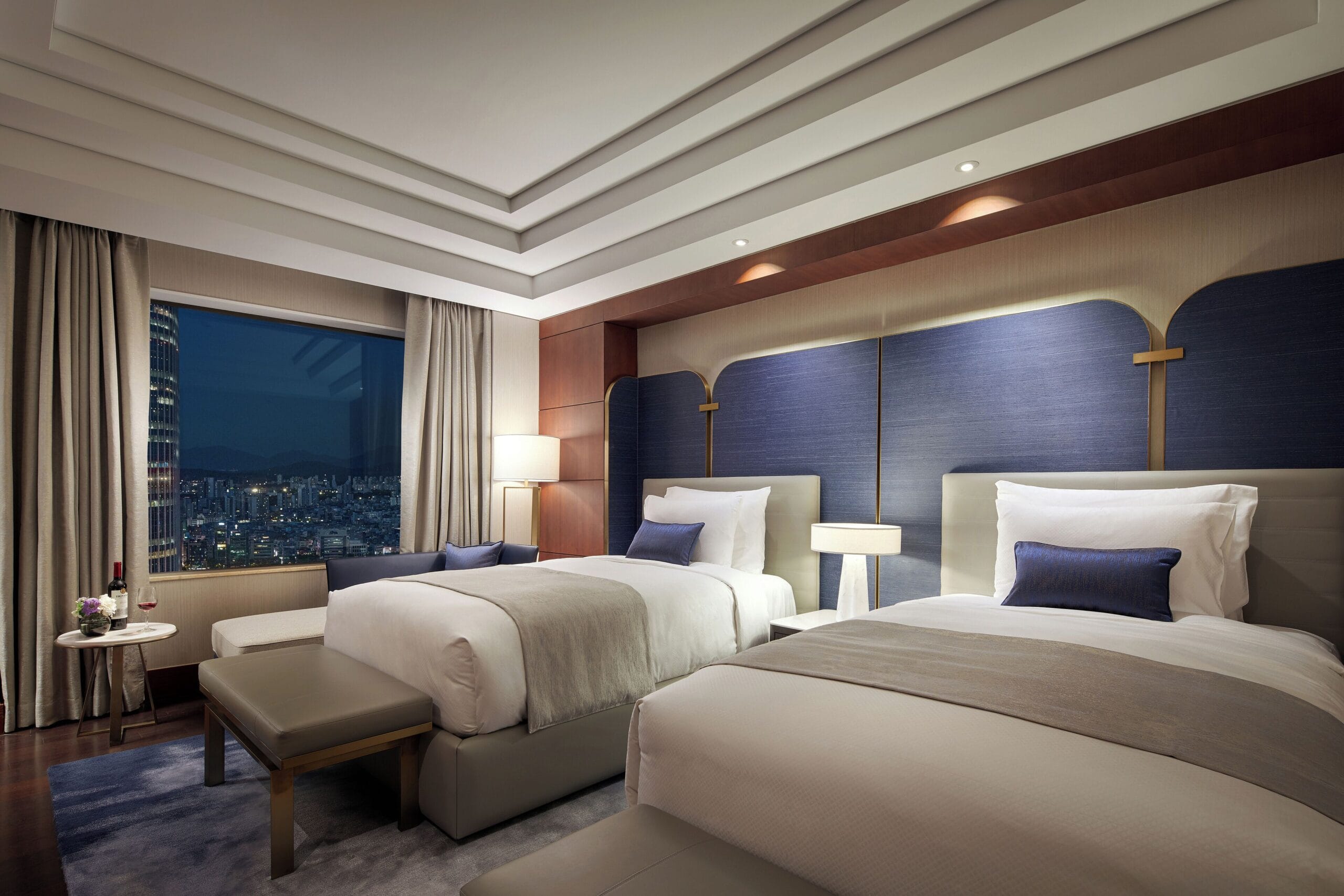
Lotte Hotel World
Elegant dining awaits at two restaurants overlooking the riverwalk. The indoor pool offers a refreshing escape after exploring nearby attractions like Lotte World Tower. A dedicated concierge arranges theater tickets to shopping excursions, making your Seoul stay effortless.
Food & Drink Guide
The Essentials
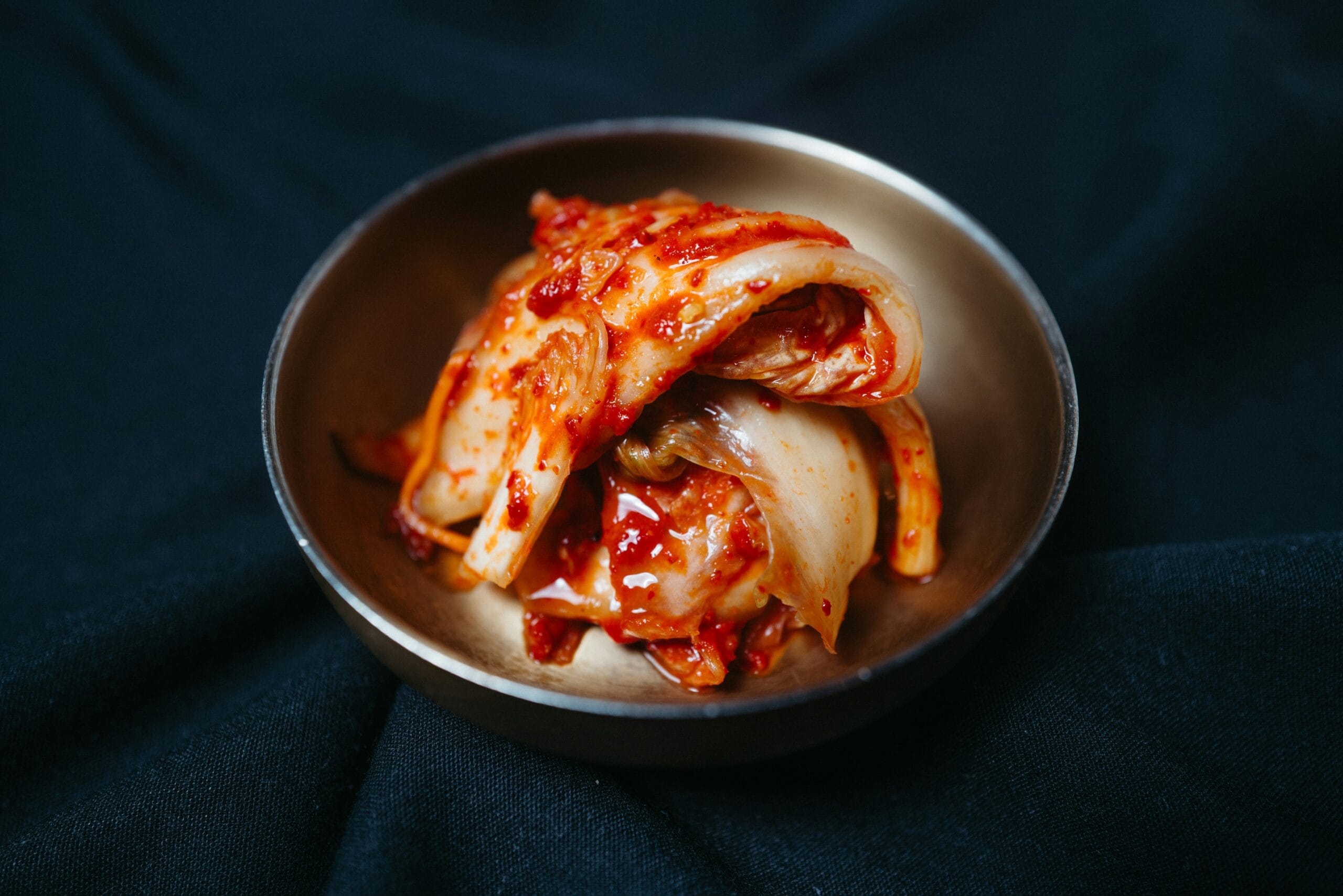
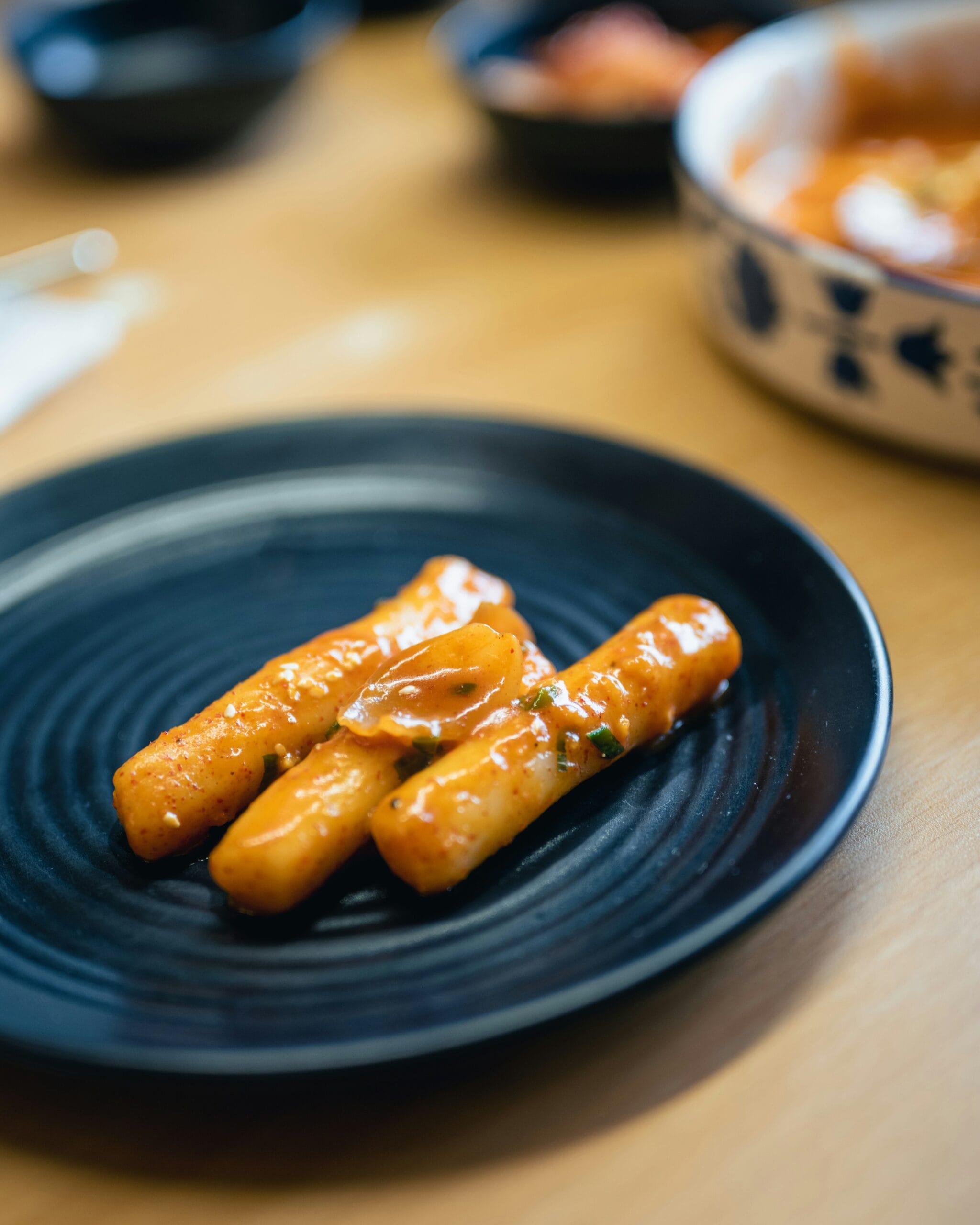
- Korean BBQ (Gogi-gui): Usually Pork Belly (Samgyeopsal) or Marinated Beef (Galbi).
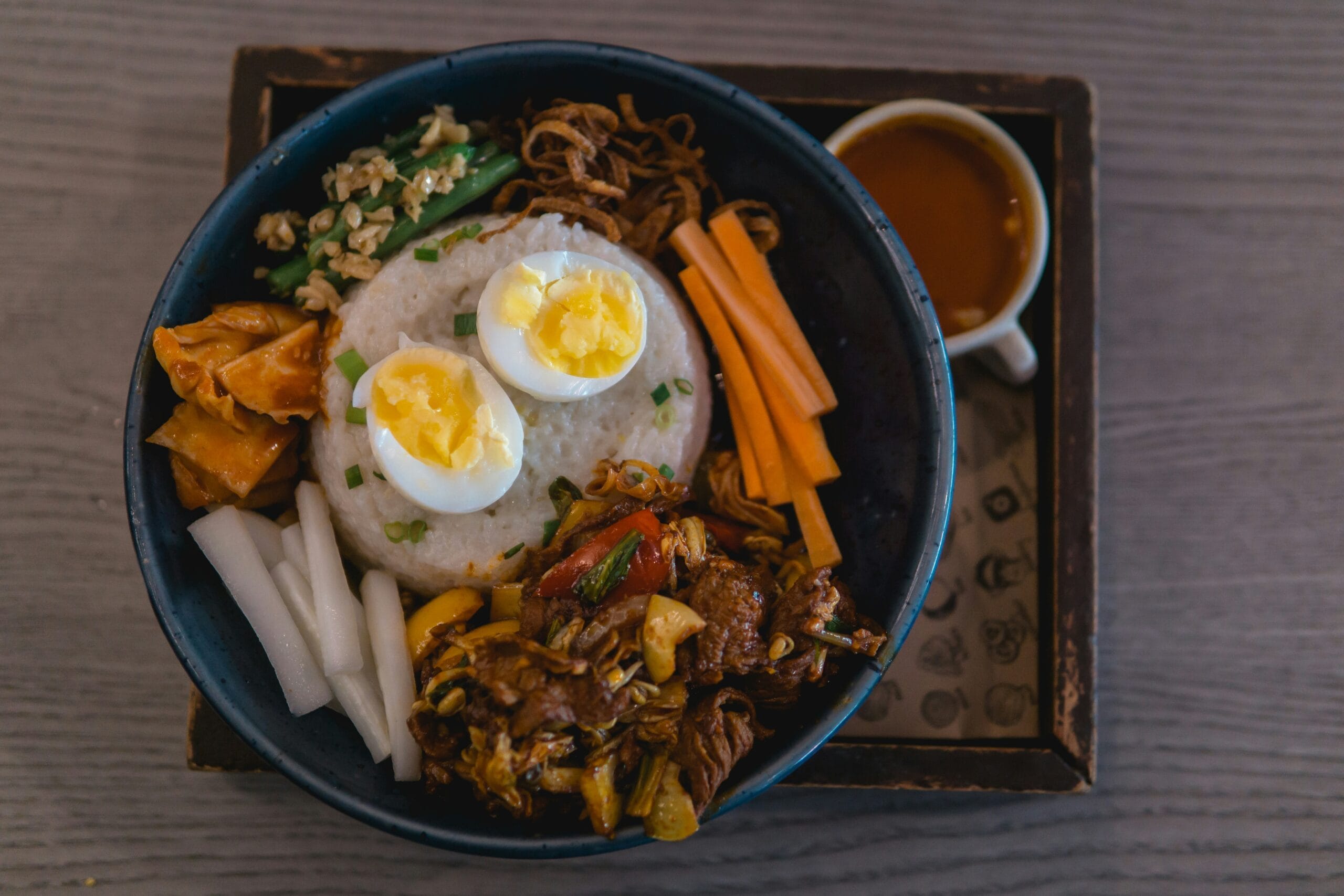
- Bibimbap: Rice topped with seasoned vegetables, chili paste, and an egg.
- Chimaek: Fried chicken paired with cold draft beer (a cultural staple).
- Tteokbokki: Chewy rice cakes in a spicy, sweet gochujang sauce.
The BBQ Protocol
Minimum Order: Most BBQ spots require a 2-person minimum order of meat to start.
The Ssam: Take a lettuce leaf, add meat, garlic, and ssamjang paste. Eat it in one bite.
Free Refills: "Banchan" (side dishes) are always free. Just ask for "deo juseyo" (more please).
Standard Meal: ₩10,000 - ₩15,000
BBQ Dinner: ₩25,000 - ₩40,000 per person
Halal: Concentrated in Itaewon. Download the "Halal Korea" app.
k- FAQ
1. Do I need a Visa or K-ETA in 2026?
Most tourists need a **K-ETA** or a Visa. However, several countries have temporary waivers through 2026. Check the official K-ETA site 72 hours before flying; don't use 3rd party agency sites.
2. Is Google Maps actually useless?
For walking and driving directions, yes. It works for subway routes but often lacks updated shop locations. Download Naver Map or KakaoMap. They are the gold standard for Korea.
3. What is the 'Climate Card' vs T-Money?
T-Money is a standard pay-as-you-go card. The **Climate Card (Tourist version)** is a new 2026 pass for unlimited subway/bus rides. Get the Climate Card if you plan to take more than 5 rides a day.
4. Should I carry cash?
Korea is 95% cashless, but you need physical bills for T-Money top-ups and street food stalls. Keep ₩50,000 in your wallet for emergencies; use cards everywhere else.
5. What’s the best area to stay in?
**Myeongdong** for first-timers (central), **Hongdae** for nightlife, or **Insadong** for a traditional feel. Avoid staying in Gangnam if you want to see historic palaces; the commute is long.
6. How do I get from Incheon Airport to the city?
Take the **AREX Express Train** (45 mins to Seoul Station) or the **Airport Limousine Bus** (direct to hotels). The bus is better if you have heavy luggage, as Seoul subway stairs are brutal.
7. Is English widely spoken?
In tourist areas, yes. In local markets, less so. Download Papago (not Google Translate)—it is far more accurate for Korean.
8. Do I need to tip?
No. Tipping is not part of Korean culture and can even be confusing to staff. Say "Kamsahamnida" instead; it's the best way to show appreciation.
9. What are the 'Priority Seats' rules?
The seats at the ends of subway cars are for the elderly/pregnant. Even if the train is empty, do not sit there. It is a major social taboo.
10. Can I drink tap water?
Yes, it's safe, but locals prefer filtered water. Look for free water purifiers in every restaurant and hotel lobby.
11. Are there public trash cans?
Rarely. Seoul has strict waste laws. Dispose of trash in subway stations or convenience stores.
12. How do I call a waiter?
Look for a buzzer on your table. If there isn't one, shout "Jeogiyo!" (Excuse me). Don't wait for them to come to you; service is "on-demand."
13. Is Seoul safe for solo female travelers?
Seoul is one of the safest cities in the world. Walking alone at 2 AM is common. Standard precautions apply, but violent crime against tourists is extremely rare.
14. What is "1+1" in stores?
It means "Buy One Get One Free." You must bring both items to the counter to get the discount.
15. When is the best time to visit?
**Spring (April)** for blossoms or **Autumn (October)** for foliage. Avoid August (monsoon heat) and January (extreme cold).
🇰🇷 Seoul Daily Budget Calculator
Estimated Daily Cost
₩75,000
*Live rates applied via API