
Put Seoul’s Busiest Shopping Blocks At The Bottom Of Your Elevator
This is the fastest route from room key to flagship stores, cosmetics and duty-free runs.
SHOPPING HUB
Stay Steps From Seoul’s Main Retail Corridors
Immediate access to major department stores, street stalls and late-night boutiques means shopping starts when you check in.
Shoppers prioritizing nonstop retail time and easy parcel drop-off over sightseeing variety.
Choose this cluster when you'd rather maximize shopping hours than stay in quieter neighborhoods.
Expect cramped sidewalks, higher room rates and nightlife noise into the small hours.
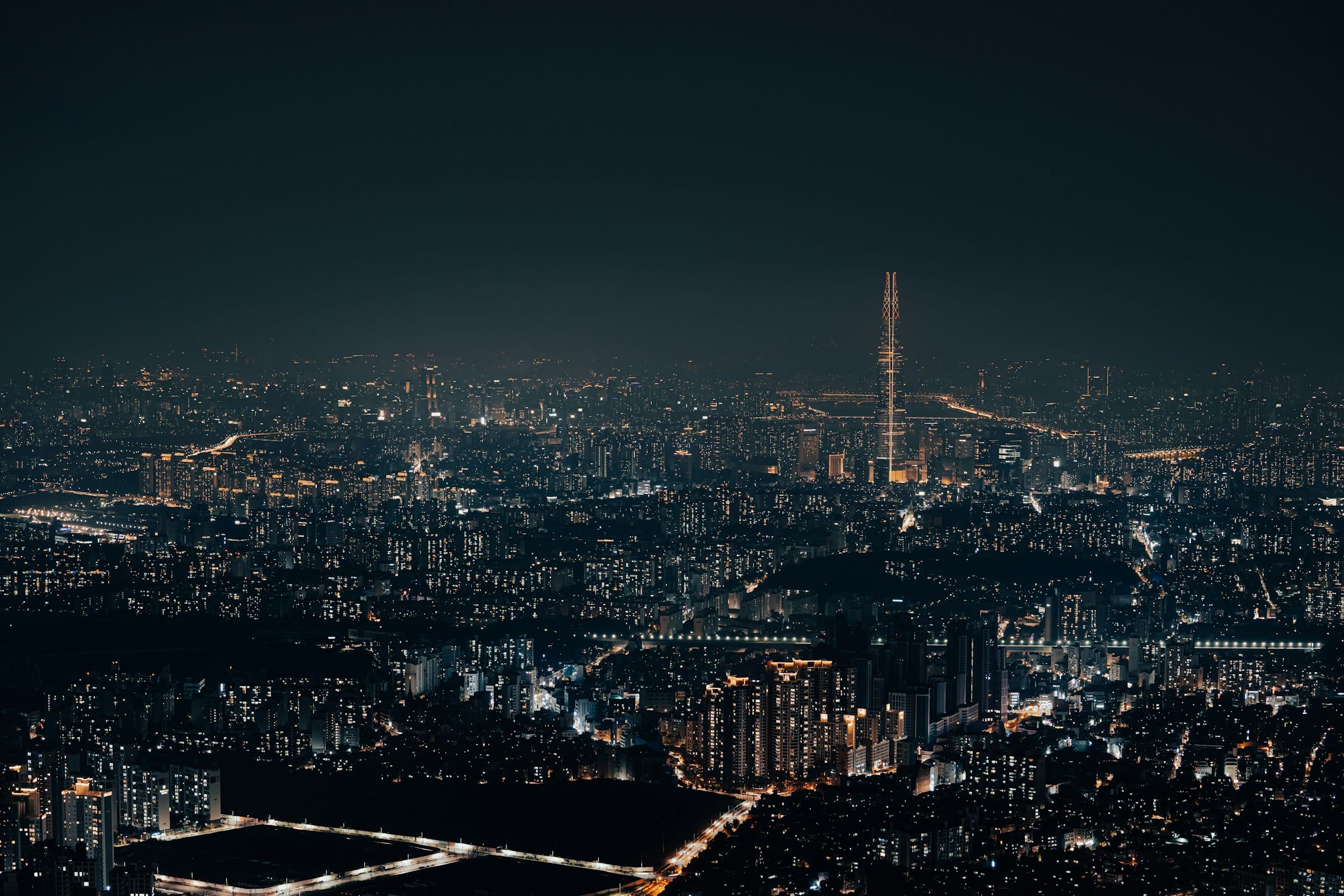
Neon-lit shopfronts and constant foot traffic feel distinctly Seoul — lively, crowded, and efficient.
VOYERTY EDITORIAL · RETAIL OVER RELAXATION
Choose Seoul Shopping-Block Hotels for Walkable, Instant Access
Choose this hotel cluster when immediate, walk-out access to Seoul’s busiest shopping corridors is your primary goal. This works best for travelers who plan to spend most daylight hours moving between stores, pop back to the room frequently to drop purchases, and value short taxi or transit hops over quiet nights. It does not work well for guests prioritizing roomy suites, tranquil evenings, or a restful base far from the retail pulse; those needs are better met in quieter residential or riverside neighborhoods.
This cluster succeeds because proximity converts into time: you trade transit minutes for more browsing, faster returns for online orders, and immediate access to evening shopping without long commutes. The commercial density delivers services on demand—late check-in counters, delivery pickup, quick laundry—so convenience outweighs solitude. Contrast: you get continuous, public activity and fast connections, not private green space or large in-room living areas. Decision logic is simple: if your trip agenda is consumption, short stops, and flexible timing, these hotels compound your available hours; if your agenda requires downtime, solitude, or sprawling rooms, accept that convenience here costs personal space and calm.
Expect genuine constraints that should steer booking choices: rooms in this cluster are often smaller than in business or residential districts and can lack on-site parking. Availability tightens during major sale periods and weekend evenings, so prices spike and last-minute options evaporate. Some properties limit luggage storage and have fewer accessible elevators, which matters if you carry large bags or travel with mobility needs. These operational realities directly affect which dates and room categories you can realistically book without compromises.
Mornings start with quick coffee and a short walk to stores opening along packed streets; you return midmorning to offload purchases and recharge before hitting another spree. Afternoons alternate between indoor malls and narrow lanes, with frequent stops for souvenirs or fittings and quick meals at counters or cafés. Evenings extend late with lights, crowds, and easy access to food vendors; nights are active, not restful. When you need a pause, hotel rooms serve as frequent drop-off points rather than long-stay retreats, and short transit rides handle any longer excursions.
This cluster is for shoppers, fashion-focused travelers, and anyone who measures trip value in hours spent browsing and buying. Not suitable for travelers who need quiet nights, large suites, or on-site recreational facilities. Do not book here if you require guaranteed parking, extensive luggage handling, or wide open privacy. If fast, walkable access to Seoul’s retail energy is the core of your plan, book here and accept the tradeoffs.
Check nearby transit hubs for faster transfers and reserve tickets or guided day trips from local visitor centers before peak times.
Seoul’s Shopping Hubs: Explore Beyond the Chain Stores
Escape the generic shopping trails and venture into Seoul's iconic districts, cultural landmarks, and underrated shopping spots that showcase the city's vibrant retail character.
Seoul Shopping Itinerary
Put Seoul Shops Under Your Elevator — Fast route from room key to flagship stores and duty-free
Choosing a hotel for Seoul shopping is a tradeoff between immediate shop access and a quieter, more residential stay. Book for elevator-to-store convenience when you plan frequent cosmetics runs and duty-free pick-ups, or choose a quieter block if late-night bags and noise will hurt your sleep.
Hotels with a subway exit or attached retail arcade collapse store-run friction and keep more of your day for shopping.
Popular picks for Put Seoul Shops Under Your Elevator
Shopper-focused picks
Prioritize hotels that advertise direct mall access, concierge-managed purchases and luggage storage since these micro-features turn multiple daily store runs into simple trips back to the room.
Walkable vs direct subway access
Walkable hotels beat suburbs for impulse buys and same-hour returns. Direct-subway hotels expand which flagship stores are practical on a tight schedule.
What to prioritize for store runs
If you plan multiple short runs choose a lower-floor room with easy street access and early breakfast service. If heavy shopping is planned, prioritize luggage-friendly corridors and same-day package handling.
Shopping- and subway-focused hotel selection
Hotels integrated with busy shopping blocks matter because they convert hours of commuting into minutes of retail time, which matters when limited-stock drops and busy counters are on your checklist. When purchases mean heavy bags or timed pickups, building layout — lobby elevators that open into arcades or an attached subway exit — becomes a primary booking filter. Choosing for micro-access reduces taxi spend, transfer time, and the risk of missing beauty appointments or sales windows.
Compare properties by access type: ground-floor arcades for walk-out shopping, attached underground links for broader range, or nearby quieter streets if sleep is a priority. Check room-floor, double-door corridors and concierge/package policies if you expect to handle lots of bags. Finally, weigh price against how many daily store runs you plan — frequent shoppers often recoup a premium through saved time and convenience.
Shopping stay booking questions
Is subway access better than a walkable location?
If you plan to hit multiple districts choose a hotel with direct subway access; if your itinerary centers on one mall or street, a truly walkable hotel saves transfer time and hassle.
Should I book a lower-floor room for shopping trips?
Lower floors shorten elevator and carry time for quick runs but can be noisier, so confirm soundproofing or request a courtyard-facing room if sleep matters.
How do hotels handle duty-free or heavy purchases?
Policies vary: some hotels accept duty-free delivery, offer same-day storage or ship items on request, so confirm concierge handling before you book to avoid lugging packages all day.
Which hotel-listed amenities matter most for shoppers?
Look for concierge shipping, luggage storage, same-day package handling and direct retail or underground links, and ask whether the property offers shopping bag drop-offs to rooms.
What feature saves the most time during store runs?
A direct underground/subway exit or a connected retail arcade saves the most door-to-store time and eliminates repeated street-level crossings.