
Paris Winter City Route — Slow Evenings, Warm Cafés & Quiet Streets
A Different Pace of Paris
Paris speaks more quietly in winter. The streets slow down, evenings stretch longer, and the city moves closer to you. This route isn’t written to see Paris — it’s written for those who know how to pause inside it.
During winter, the city feels calmer, more introspective, and unexpectedly intimate. Along the Seine, the crowds thin out, while cafés glow warmer from the inside. This route goes beyond popular highlights, designed for travellers who want to feel Paris at its winter rhythm — shaped by slow evenings, the right neighbourhoods, and moments when the city feels most like itself.


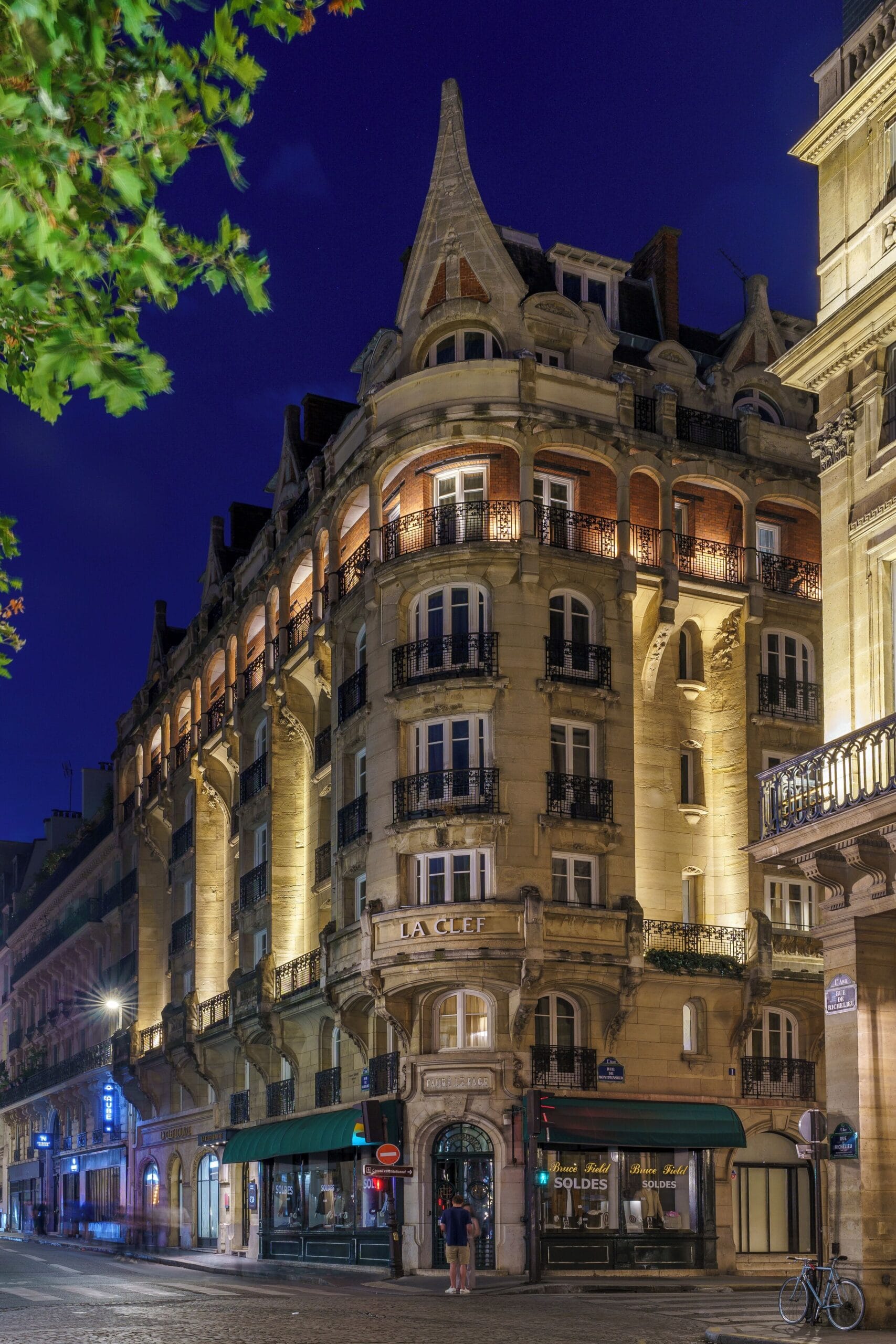
Day 2 — Central Icons + Eiffel at Sunset
Today is the most iconic day in Paris, so it runs as one clean flow. Start the morning in the historic centre: the Louvre area, the Tuileries Garden, and Place de la Concorde. Together, these form a single line through classic central Paris. You can go inside the museum or keep it outside-only — the key is finishing the morning within this core route.
Around midday, take one short break nearby. There’s no need to stretch the pause; Day 2 works best when it stays unbroken.Then you move into the locked moment of the day: the Eiffel Tower. This stop is not scheduled randomly. You need to be in the Eiffel area exactly two hours before sunset. That timing lets you see the tower in daylight first, spend time around it, and then watch the city shift into evening as the lights come on — all in one continuous block. Getting both versions of the Eiffel in a single window is one of the biggest advantages of this route.You don’t need to drag the night out, but Day 2 isn’t complete without seeing the Eiffel up close. For dinner, the smartest move is staying near the Eiffel/river line — the flow stays intact, and the day ends feeling fully used.
Day 3 — Montmartre + The Best Table Night
Today is about Paris with character. Give the morning to Montmartre — it’s not a single stop, but a hillside neighbourhood explored street by street. Start with a high-level view, then move into the side streets. The Sacré-Cœur area is a natural opening, but the day doesn’t stay only there — the real experience comes as you drift through the neighbourhood itself.
Around midday, take one café break here. Montmartre works best with fewer, stronger stops: one good café is enough to reset the rhythm.In the afternoon, add a second area — without breaking the flow. You have two clean choices, both built for a “living Paris” feeling: Le Marais (livelier, shopping and small galleries) or Saint-Germain (classic bookshops and café streets). The goal isn’t to cover more sights, but to complete the day’s atmosphere.Evening is reserved for the best meal of the route. Day 1 is the start, Day 2 is iconic, and Day 3 is your “best table” night. Choose a famous bistrot or a strong French restaurant — and if a reservation is needed, this is the night worth booking. The day ends planned and satisfying: not just having seen Paris, but having felt it.
Day 4 — Departure, Without Leaving It Empty
Today is departure day, and hotel check-out plus flight time already set the boundaries. So the goal isn’t to squeeze in “one more big thing” — it’s to close Paris with a clean ending.
Keep it simple after check-out: leave your luggage (or keep it with you) and do one short final route. Think of it as a “last Paris” walk — nearby, easy, and stress-free. Then take one café stop. That single pause is what makes the exit feel controlled rather than rushed.Don’t add extra targets before the airport. Day 4 works when it stays small but clear: one short walk, one café, and a smooth departure. It doesn’t leave Paris unfinished — and it doesn’t force the day, either.
Closing — Why You’ll Remember This Route
This route was never about doing everything in Paris. Paris doesn’t work that way. The goal was to create the right moments of contact with the city.
By the end of four days, you won’t remember Paris as a single image. You’ll remember it in fragments: seeing the Eiffel Tower in daylight and again at night on the same day, standing in a square without needing to decide where to go next, sitting through a dinner that didn’t feel rushed.This plan doesn’t make you run through Paris — but it doesn’t let you drift either. It helps you move with intention, knowing where your time is going. That’s why the days don’t blur together; each one has a clear purpose, and each purpose lands.If you follow this route properly, you won’t leave Paris thinking you missed something. You’ll leave thinking: “I saw exactly what I needed to see.” And that’s one of the rarest feelings you can have when leaving a city.
Insider Signal — One detail that changes everything
• Locals in Paris eat lunch after 1:30 pm; a place empty at noon but full at 2 pm is usually the right one.
• If a waiter brings a menu immediately, it’s for tourists; locals order standing or without one.
• A good Parisian bistrot is quiet at 7 pm and full by 8:30 pm.
• Locals don’t photograph the Eiffel Tower — they check the time and arrive when the lights switch on.
• In Paris, truly good places often have a 4.1 rating, not 4.7.
• Tablecloths mean tourists; paper-covered tables mean locals.
Route Proof
You know you’ve actually “seen” an area when you can walk one short loop without checking the map. Each day, this route gives you one micro-loop: enter → 2 clear anchors → exit. Low risk, high clarity — the day stays intact.