Copenhagen’s Nordic Winter Atmosphere — Lights, Canals & Hygge Street
Copenhagen’s cold-season rhythm is defined by soft Nordic light, colorful canals and interiors designed around warmth. This long-form winter guide looks at how Nyhavn, compact city streets and hygge cafés combine into a 2–3 night stay that feels calm, walkable and quietly cinematic.
How Copenhagen Feels in Winter
Muted skies, pastel façades and low, steady light give the city a distinctive winter calm.
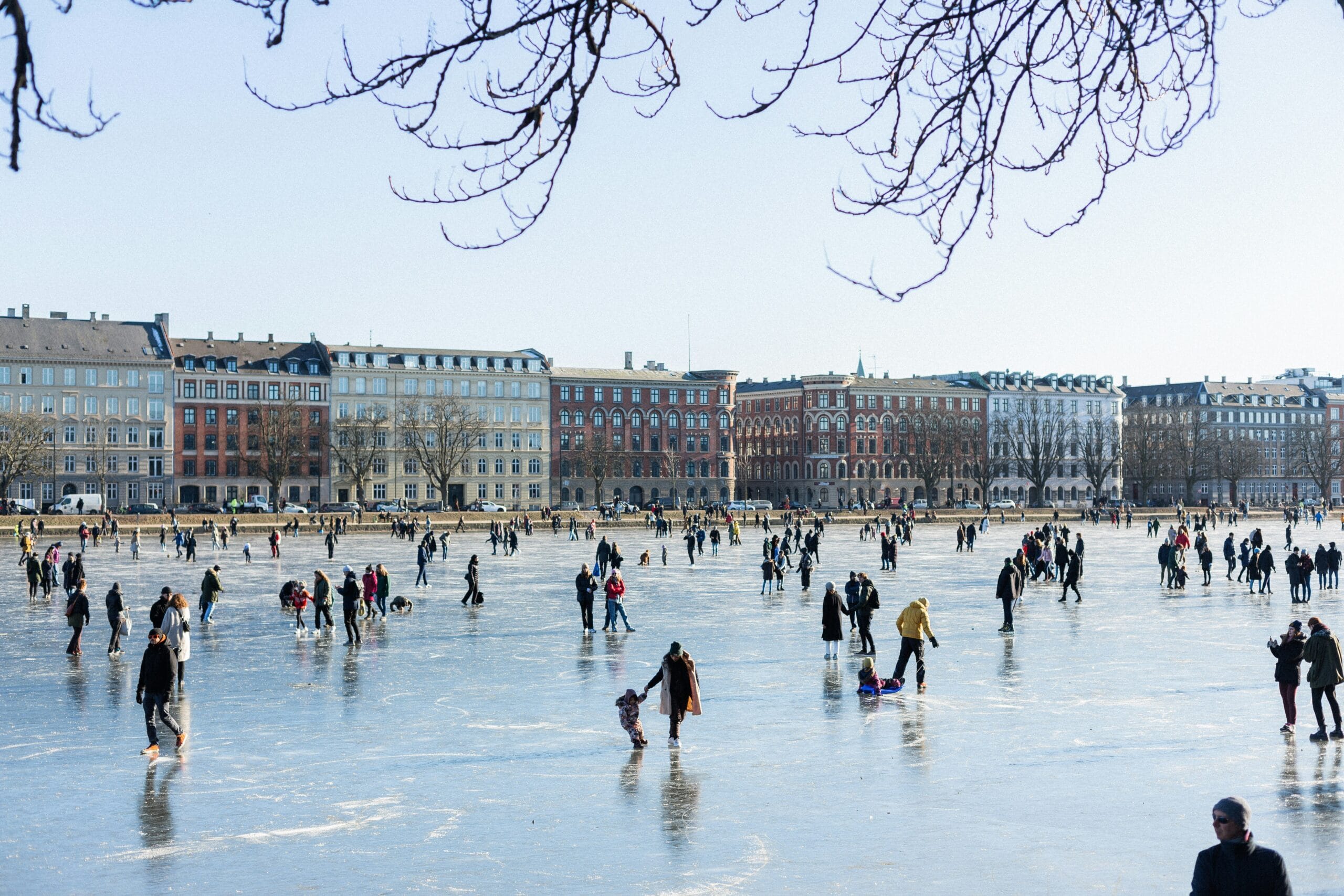
Copenhagen does not rely on dramatic mountain backdrops or extreme conditions. Its winter identity is quieter: a pale sky stretched over rows of colorful houses, canal water that turns into a dark mirror at the end of the day and streets that never fully empty but rarely feel rushed. The city holds a steady pulse rather than peaks of noise.
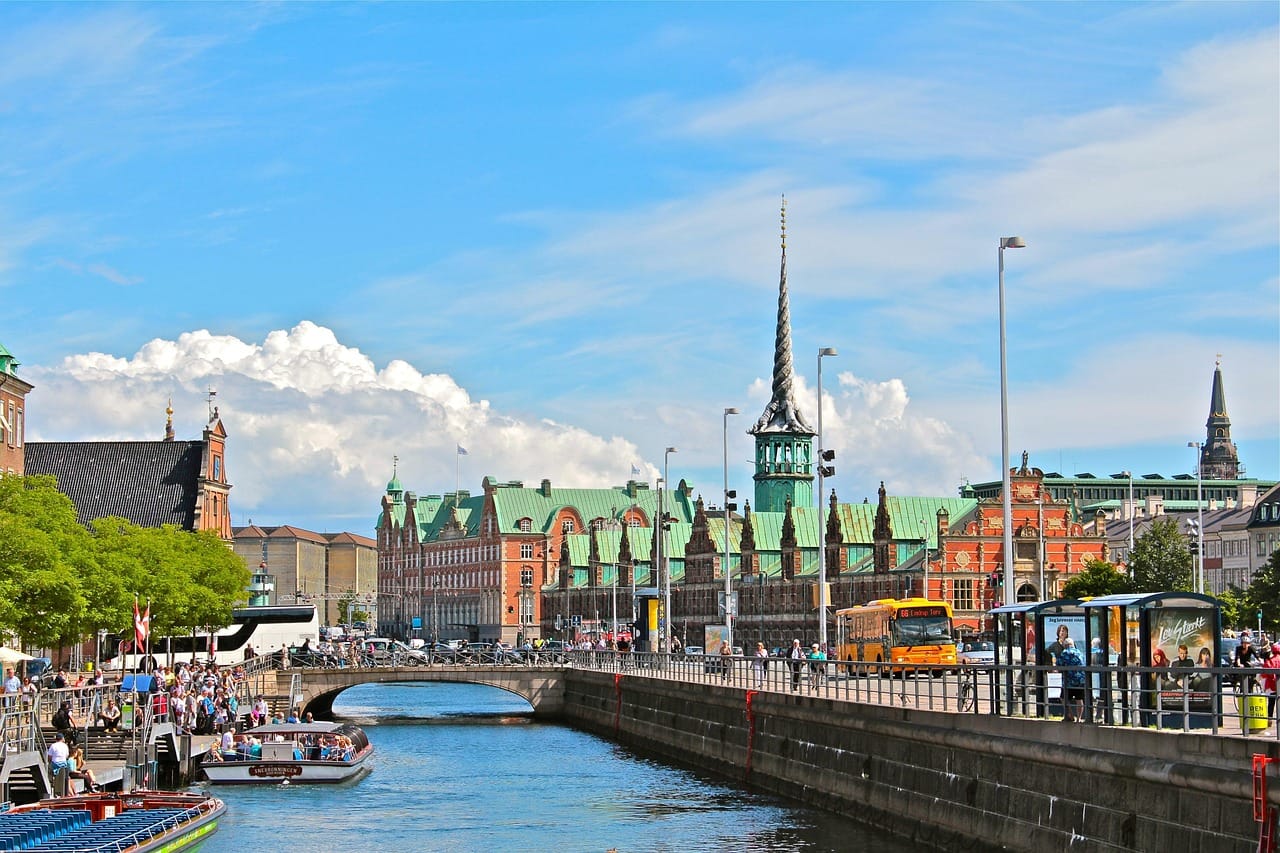
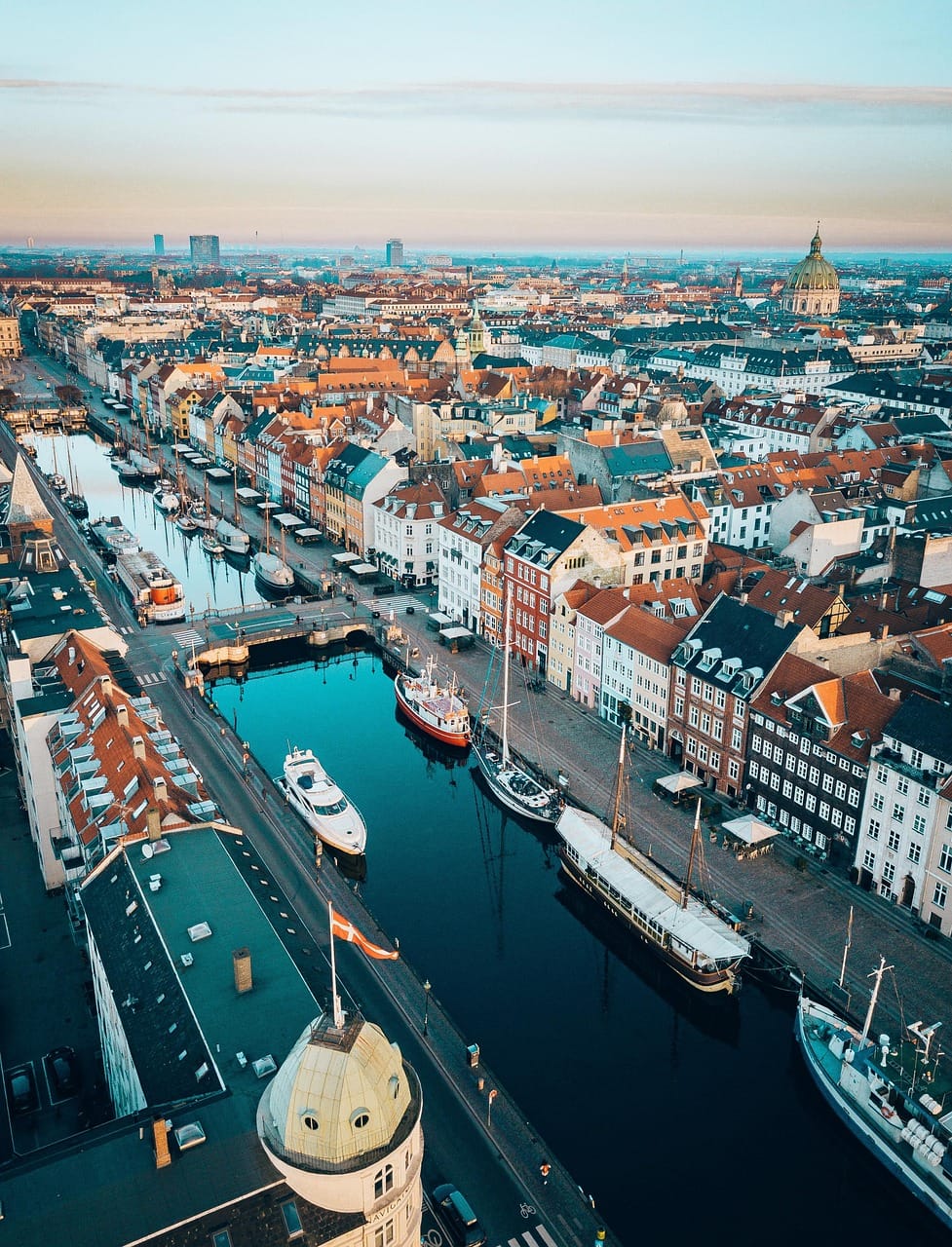
Around Nyhavn and the inner harbor, façades in yellow, red and blue stand out even more against the colder light. Reflections along the water double these colors, which makes simple walks along the quaysides feel atmospheric. Light changes slowly during the short days, moving from grey tones to a soft golden hue before dusk.
In the inner city, squares and pedestrian streets are dense with small details: bakery windows, candle-lit tables, bike lines, narrow side alleys that open into hidden courtyards. Copenhagen’s response to cold is not to retreat completely indoors, but to layer warmth into public spaces — blankets on chairs, lamps in windows, muted music in cafés.
That approach to winter is what defines the city. The weather may be cold and the daylight limited, yet the urban design and the café culture make it easy to move between outside and inside without feeling that the day is cut short. This is the atmosphere a winter stay in Copenhagen is built around.
2–3 Night Winter Outline
A compact route built around Nyhavn, city squares, Tivoli evenings and hygge interiors.
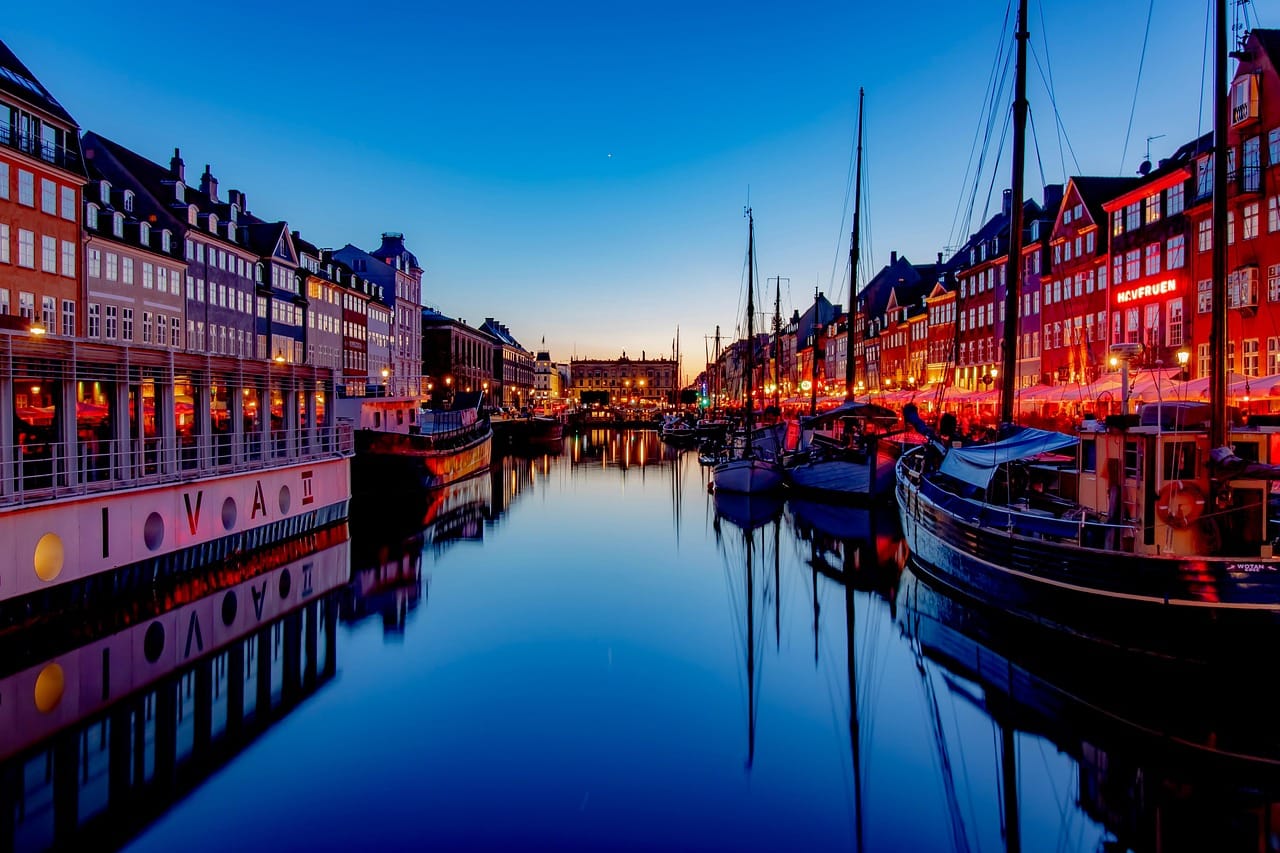
A first evening naturally starts by the water. Nyhavn’s harbor front, with its line of colorful houses and moored boats, is at its most atmospheric when the day begins to fade. Soft lights appear in restaurant windows, reflections stretch across the canal and the air cools without becoming harsh. A slow walk from one end of Nyhavn to the other is often enough to understand why the area is so strongly associated with Copenhagen’s winter mood.
The following morning works well as a city-centre day. Streets like Strøget and its side alleys connect important squares, shops and bakeries in a way that keeps walking distances short. It is easy to alternate between outdoor segments and warm interiors: a stretch outside to take in the architecture and local rhythm, then a pause inside for coffee, pastries or an early lunch. This pattern matches the season, giving enough time outdoors without letting the cold dominate the day.
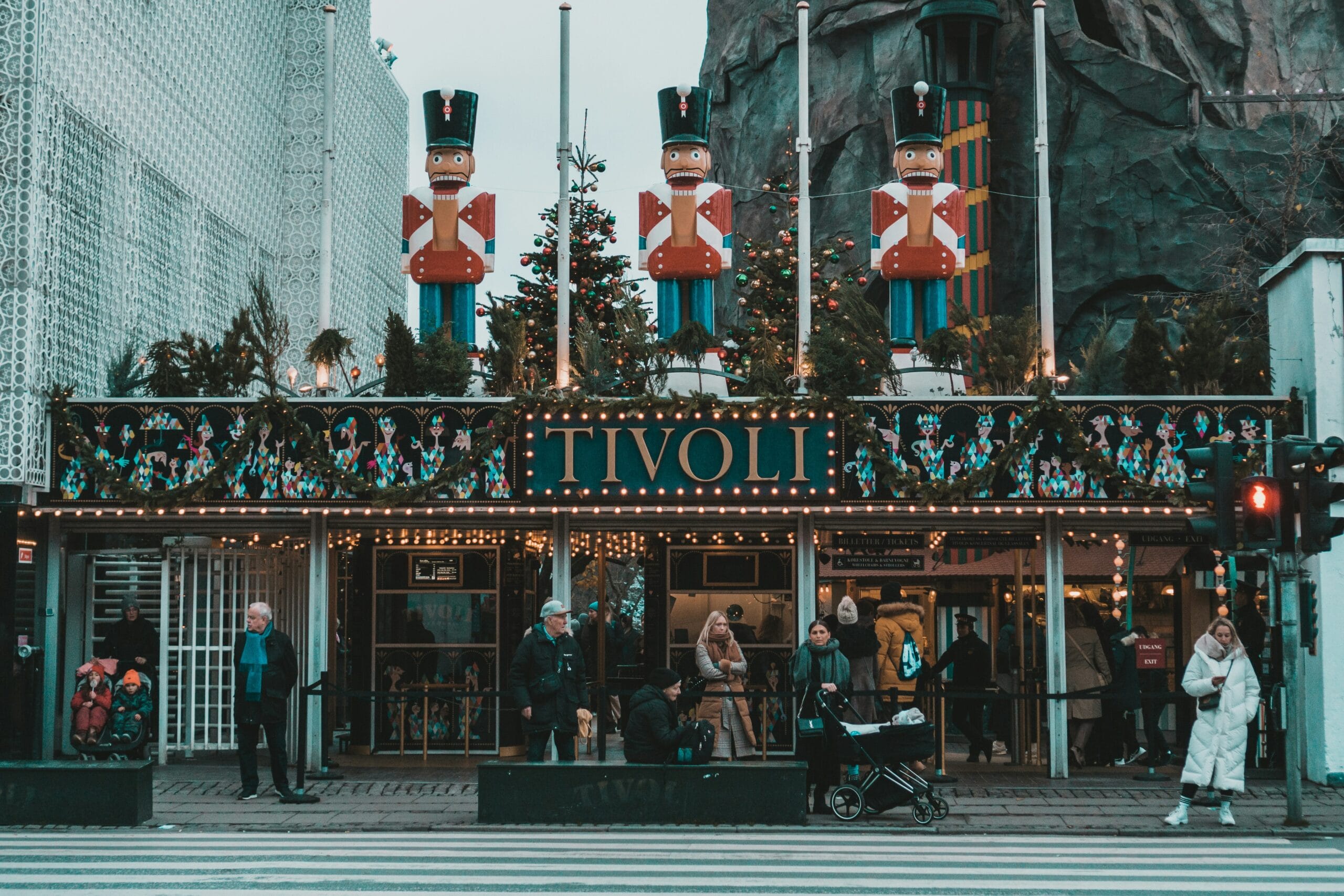
Tivoli Gardens can anchor a second evening. During the winter period, lights, decorations and structured paths transform the park into a controlled, well-lit environment that feels different from the city streets but still very central. It is compact enough to explore in one visit, yet layered enough for guests to spend several hours without repeating the exact same views.
For travellers with an extra day, neighbourhoods such as Vesterbro or Nørrebro add a different dimension. They offer fewer tourist icons but more insight into day-to-day city life — local cafés, smaller restaurants, speciality shops and quieter streets. These areas are ideal for guests who enjoy seeing how winter feels away from the main postcard angles, while still having easy public transport back to the centre.
Best Areas to Stay in Winter
Short walking distances and access to warm interiors matter more than summer terrace space.
Nyhavn and the immediate harbor surroundings are ideal for guests who want the water and the classic colorful façades at the centre of their stay. Hotels here give direct access to evening views with minimal effort: stepping outside already feels like being on the main winter route. It is a strong choice for first-time visitors who want a postcard setting.
The compact city centre suits travellers focused on movement between squares, shops and key sights rather than the harbor view itself. From here, almost everything remains within a short walk: Strøget, city hall, side streets dotted with cafés, and connections out to other neighbourhoods. In winter, this translates into fewer long outdoor stretches and more frequent opportunities to step inside and warm up.
Vesterbro offers a slightly more local feel while still being very central. Converted industrial buildings, modern bakeries, small bars and dining spots give the area a denser evening culture. It is well suited to guests who place food and nightlife higher on their list, without wanting to lose access to the harbour or Tivoli.
For stays of three nights or more, pairing a central base with time in places like Nørrebro can provide a fuller picture. These districts are not defined by major landmarks, but by the way locals use streets and interiors through the season — which is often what travellers remember most about a winter city.
Winter Highlights — Canals, Lights & Hygge Interiors
The season is less about single attractions and more about a continuous, warm street rhythm.
Nyhavn remains the visual highlight, especially at dusk, but Copenhagen’s winter appeal does not end there. The network of smaller canals and side streets allows guests to step away from the main harbour while keeping the same calm mood. Even short detours uncover different compositions of water, façades and reflections.
Hygge is often mentioned as a buzzword, yet in Copenhagen it is visible in practical ways: warm lighting placed low rather than bright ceiling lamps, candles in windows, soft textures on chairs and benches, and menus designed to encourage guests to stay rather than rush. These details turn cafés and restaurants into genuine winter anchors rather than simple food stops.
Evening walks link all of these elements. A route might start in the city centre, pass through a series of squares, continue along the water and end with a final stop in a quiet side street. Along the way, the city does not push high energy; it leans into a slower, more reflective tone that suits shorter days and longer nights.
For guests designing a winter break, this means that Copenhagen works best when time is not over-programmed. Leaving space for unplanned stops — an inviting café, an unexpectedly calm side canal, a bakery with a warm glow — often results in the most memorable winter moments. The structure of the city supports that kind of flexible, softly lit itinerary.