
 9.3Wonderful
Palace Hotel Tokyo
Palace Hotel Tokyo fits the Top + City center shortlist in Tokyo, backed by strong guest scores and live pricing signals. 0.9 km from centre keeps the daily...
 9.3Wonderful
The Tokyo Station Hotel
The Tokyo Station Hotel fits the Top + City center shortlist in Tokyo, backed by strong guest scores and live pricing signals. 0.9 km from centre keeps the...
 9.1Wonderful
Hotel New Otani Tokyo Executive House Zen
Hotel New Otani Tokyo Executive House Zen fits the Top + City center shortlist in Tokyo, backed by strong guest scores and live pricing signals. 3.4 km from...
 9.4Wonderful
Hotel Ryumeikan Ochanomizu Honten
Hotel Ryumeikan Ochanomizu Honten fits the Top + City center shortlist in Tokyo, backed by strong guest scores and live pricing signals. 1.1 km from centre keeps the...
 9.2Wonderful
MIMARU Tokyo Ueno Okachimachi
MIMARU Tokyo Ueno Okachimachi fits the Top + City center shortlist in Tokyo, backed by strong guest scores and live pricing signals. 2.1 km from centre keeps the...
 8.0Very Good
THE BLOSSOM HIBIYA
THE BLOSSOM HIBIYA fits the Top + City center shortlist in Tokyo, backed by solid review signals and live pricing signals. 2.4 km from centre keeps the daily...
 9.0Wonderful
APA Hotel〈Akihabara Suehirochoekimae〉
APA Hotel〈Akihabara Suehirochoekimae〉 fits the Top + City center shortlist in Tokyo, backed by strong guest scores and live pricing signals. 1.6 km from centre keeps the daily...
 9.2Wonderful
NOHGA HOTEL AKIHABARA TOKYO
NOHGA HOTEL AKIHABARA TOKYO fits the Top + City center shortlist in Tokyo, backed by strong guest scores and live pricing signals. 1.5 km from centre keeps the...
 9.2Wonderful
JR East Hotel Mets Premier Akihabara
JR East Hotel Mets Premier Akihabara fits the Top + City center shortlist in Tokyo, backed by strong guest scores and live pricing signals. 1.2 km from centre...
 9.0Wonderful
HAMACHO HOTEL TOKYO (NIHONBASHI)
HAMACHO HOTEL TOKYO (NIHONBASHI) fits the Top + City center shortlist in Tokyo, backed by strong guest scores and live pricing signals. 1.7 km from centre keeps the...
TOKYO · JAPAN
A city of precision, depth and unforgettable stops
Tokyo works best when your hotel matches the way you explore the city. Stay around Shibuya for skyline energy and late-night movement, choose Ginza for polished dining and luxury retail, head toward Ueno for museum access and classic culture, or base yourself near Asakusa for heritage streets and a more traditional Tokyo rhythm.
Instead of sending readers to generic roundups, this section highlights a few genuinely high-intent Tokyo addresses with their own official pages — the kind of places travelers actively search for before booking, from headline museums and city-view landmarks to serious coffee counters and Michelin-recognized dining.
- Best first-time bases: Shibuya, Ginza, Ueno, Tokyo Station and Asakusa.
- Each card below points to a real Tokyo venue people deliberately seek out, not filler city-guide links.
- That gives the page a more premium, editorial and conversion-ready feel.
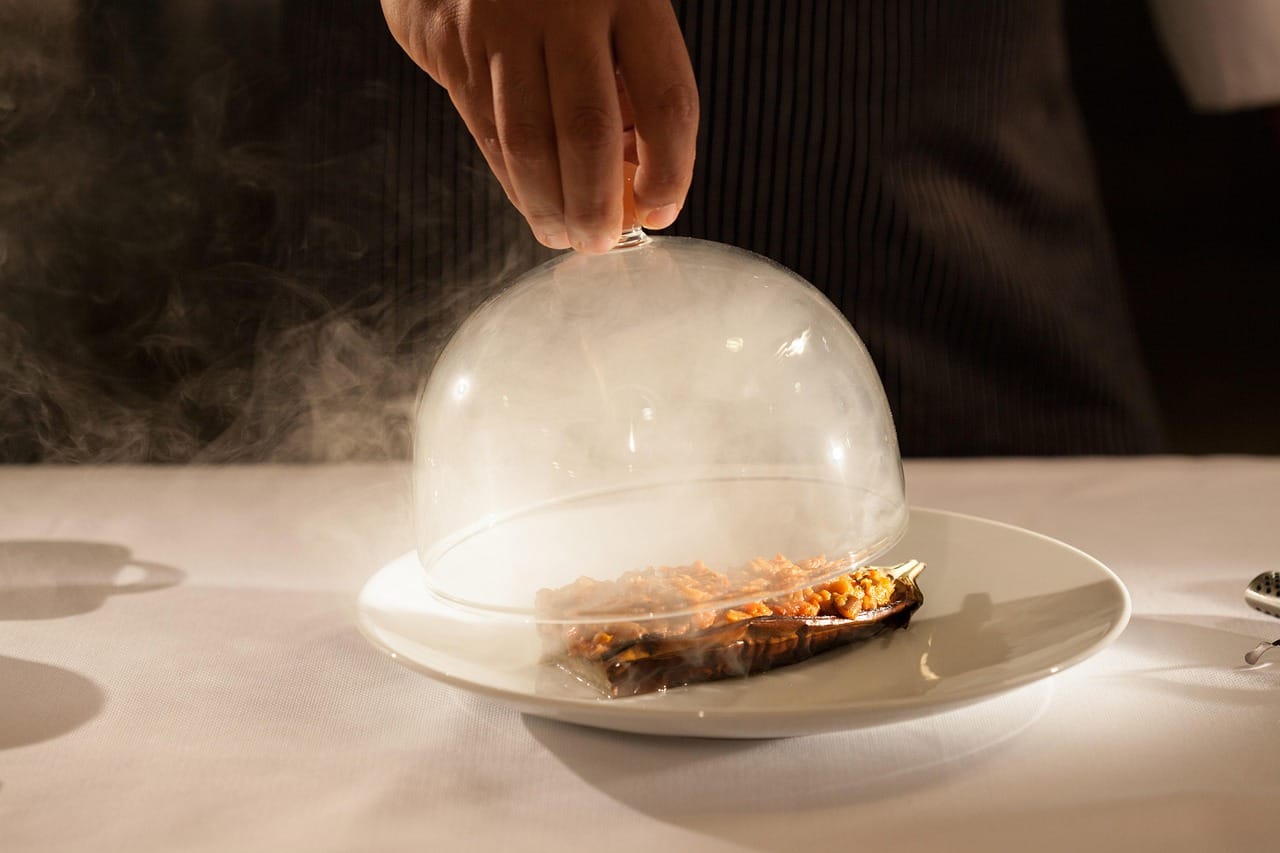
NARISAWA: One of Tokyo’s Most Serious Fine-Dining Reservations
A strong pick for readers looking beyond casual restaurant lists — ideal when your Tokyo trip includes one truly memorable, destination-level meal.
Open NARISAWA →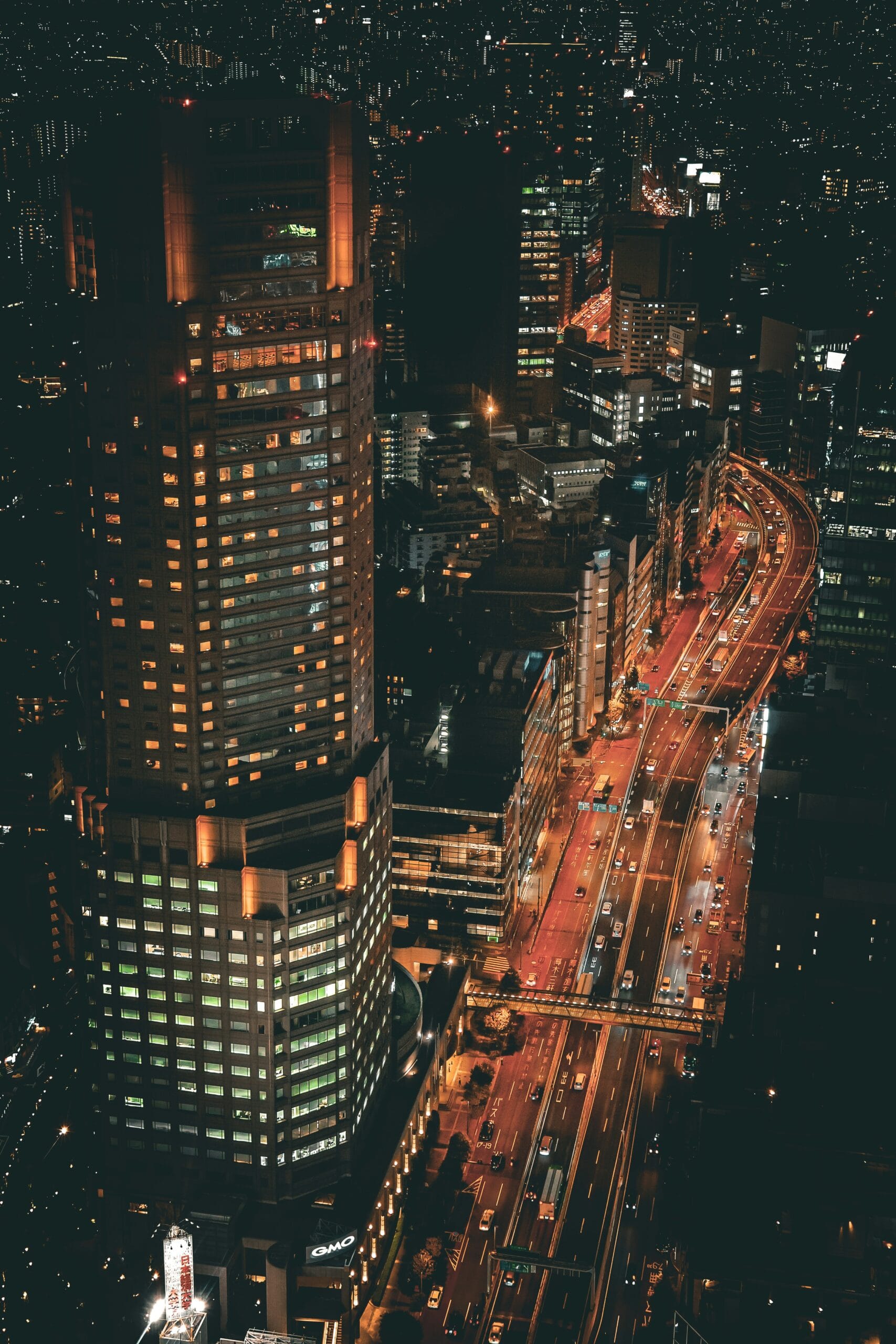
SHIBUYA SKY: One of Tokyo’s Cleanest Big-View Experiences
If your stay is in or around Shibuya, this is one of the most instantly recognizable add-ons for first-time Tokyo itineraries.
Visit SHIBUYA SKY →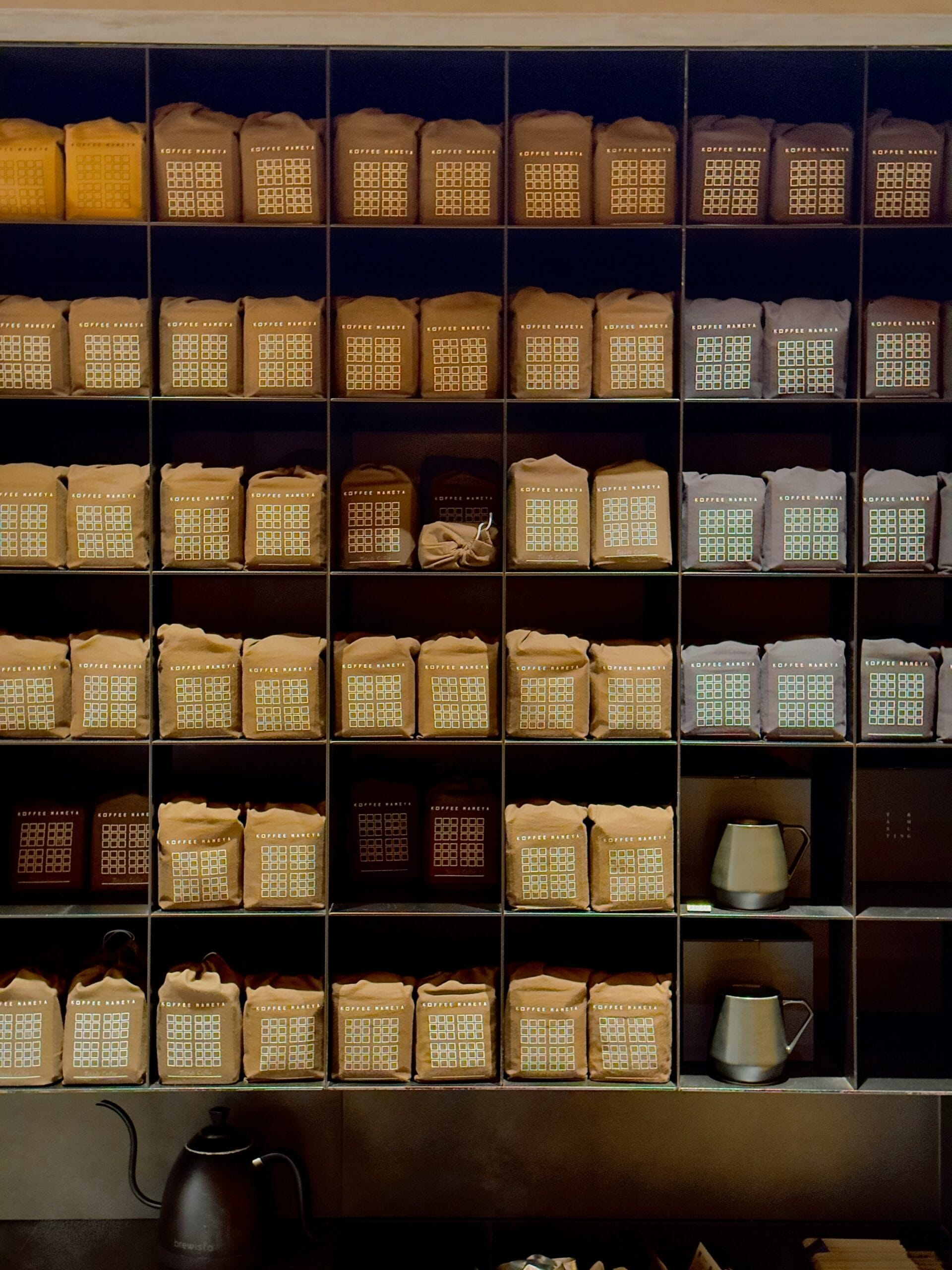
KOFFEE MAMEYA Kakeru: A High-Intent Coffee Stop Worth Planning Around
A sharper choice than a generic café list entry — especially for travelers who want a distinctly Tokyo coffee experience with a more curated feel.
Open KOFFEE MAMEYA Kakeru →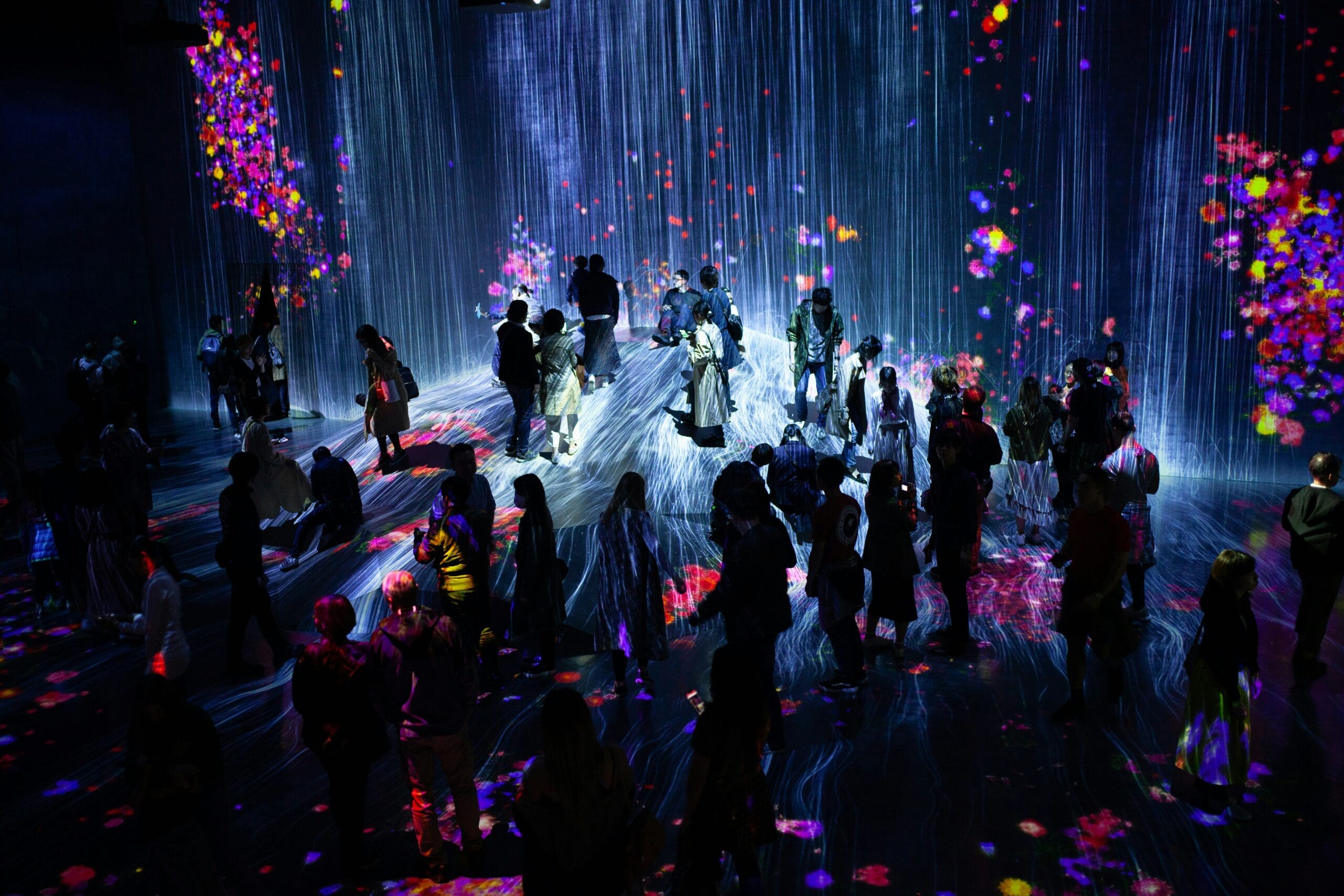
teamLab Planets: Tokyo’s Signature Digital-Art Visit
One of the strongest museum-style picks for travelers who want something more sensory and contemporary than a traditional gallery stop.
Visit teamLab Planets →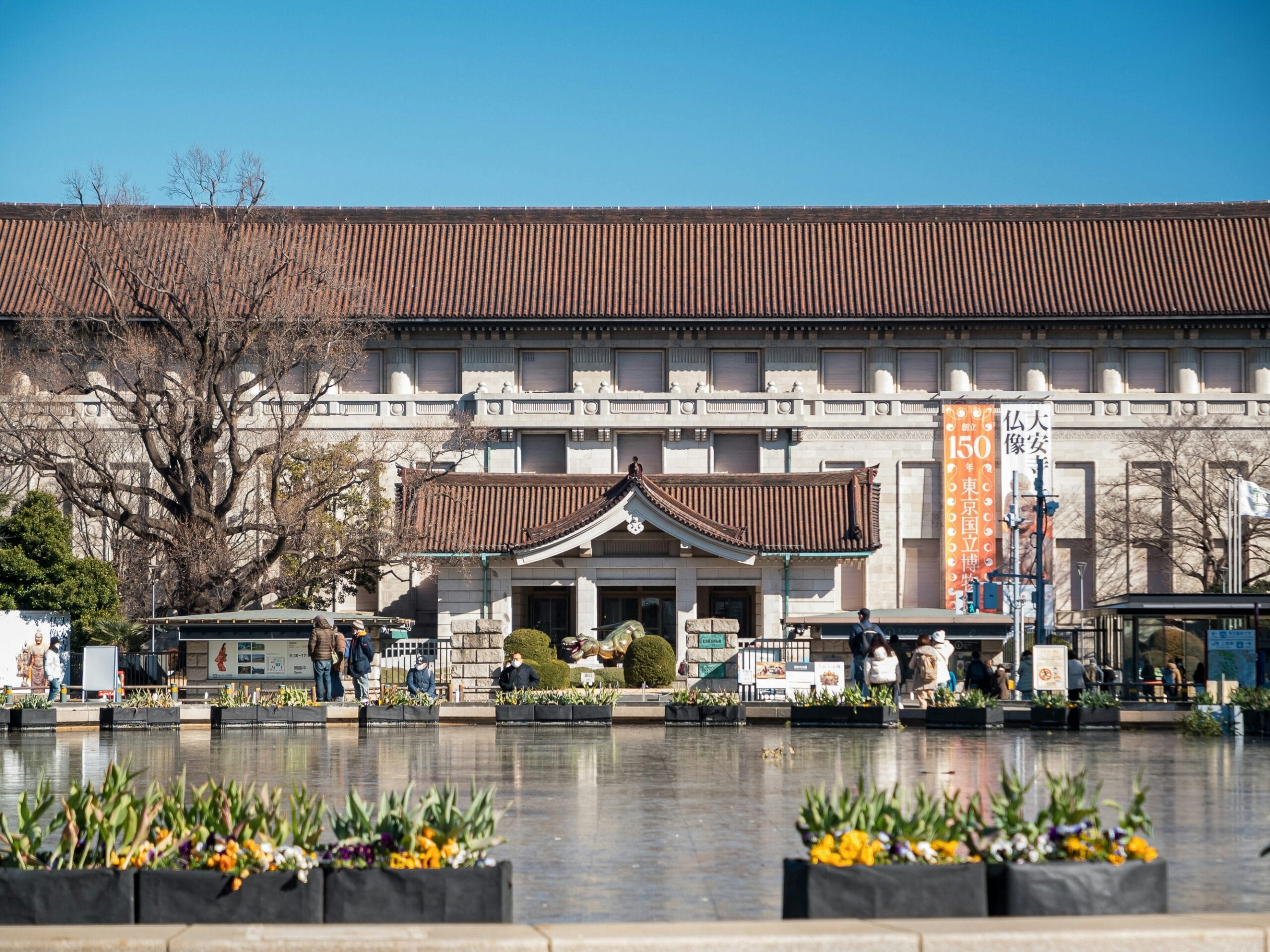
Tokyo National Museum: The Essential Ueno Culture Stop
For travelers who want at least one heavyweight cultural visit in Tokyo, this is the kind of institution that adds real depth to the stay.
Open Tokyo National Museum → 9.1Wonderful
MIMARU SUITES Tokyo Nihombashi
MIMARU SUITES Tokyo Nihombashi fits the Popular + City center shortlist in Tokyo, backed by strong guest scores and live pricing signals. 1.2 km from centre keeps the...
 8.8Very Good
Mitsui Garden Hotel Ginza gochome
Mitsui Garden Hotel Ginza gochome fits the Popular + City center shortlist in Tokyo, backed by strong guest scores and live pricing signals. 2.2 km from centre keeps...
 9.1Wonderful
karaksa hotel premier Tokyo Ginza
karaksa hotel premier Tokyo Ginza fits the Popular + City center shortlist in Tokyo, backed by strong guest scores and live pricing signals. 2.4 km from centre keeps...
 8.8Very Good
Belken Hotel Kanda
Belken Hotel Kanda fits the Popular + City center shortlist in Tokyo, backed by strong guest scores and live pricing signals. 0.8 km from centre keeps the daily...
 9.2Wonderful
Ryokan Sansuiso
Ryokan Sansuiso fits the Popular + City center shortlist in Tokyo, backed by strong guest scores and live pricing signals. 8.1 km from centre keeps the daily plan...
 8.7Very Good
Maihama View Hotel by HULIC (Former name Tokyo Bay Maihama Hotel)
Maihama View Hotel by HULIC (Former name Tokyo Bay Maihama Hotel) fits the Popular + City center shortlist in Tokyo, backed by strong guest scores and live pricing...
 8.9Very Good
Citan Hostel
Citan Hostel fits the Popular + City center shortlist in Tokyo, backed by strong guest scores and live pricing signals. 1.1 km from centre keeps the daily plan...
 8.7Very Good
TenTen Guesthouse
TenTen Guesthouse fits the Popular + City center shortlist in Tokyo, backed by strong guest scores and live pricing signals. 4.0 km from centre keeps the daily plan...
 9.3Wonderful
Mesm Tokyo, Autograph Collection
Mesm Tokyo, Autograph Collection fits the Popular + City center shortlist in Tokyo, backed by strong guest scores and live pricing signals. 3.6 km from centre keeps the...
 8.8Very Good
MONday Apart UENO SHINOKACHIMACHI
MONday Apart UENO SHINOKACHIMACHI fits the Popular + City center shortlist in Tokyo, backed by strong guest scores and live pricing signals. 2.5 km from centre keeps the...