
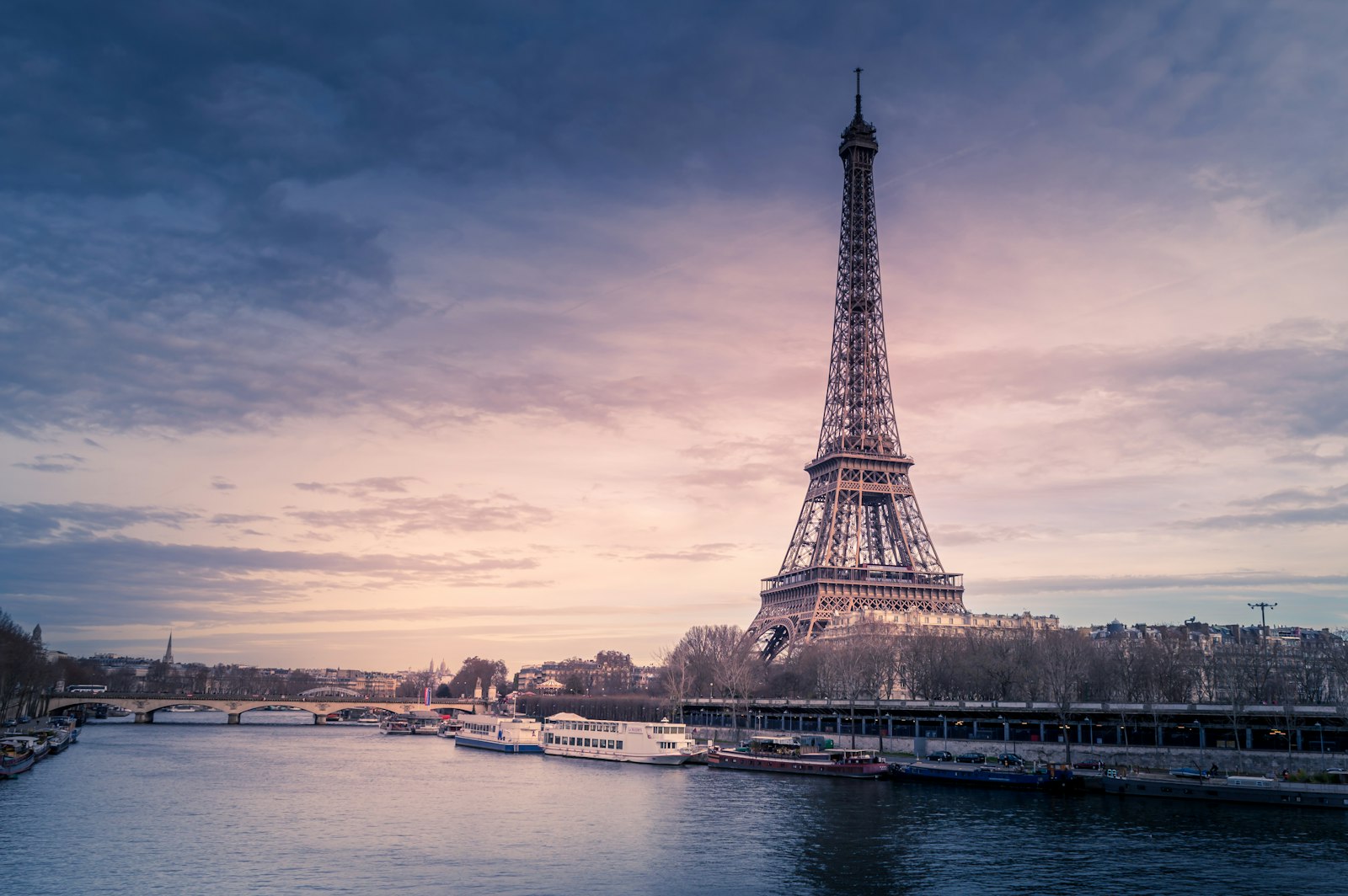
Seine Evenings, Left Bank Cafés & Montmartre Winter Views
Paris in winter suits travelers who prefer shorter, curated routes over crowded checklists. Voyerty frames a 3–4 night stay around the Seine riverfront, the Left Bank and the hill of Montmartre — districts that stay genuinely alive from December to February.
Why Winter Paris Works for a Short City Break
The Paris that works best in winter is compact: river islands, Left Bank streets and a single hill looking over the skyline. Short days and cold evenings favour neighborhoods where cafés, brasseries and metro lines sit within a few minutes of each other.
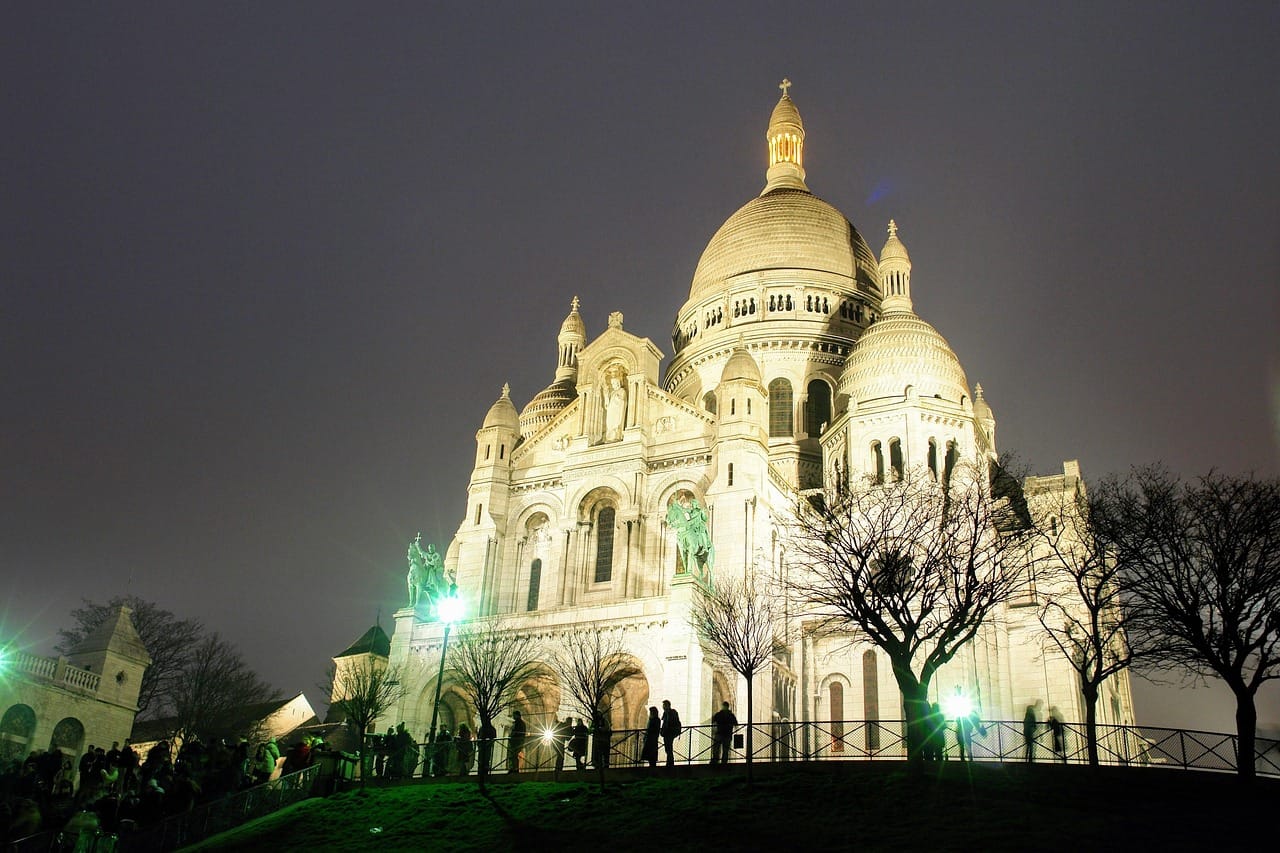
Along the Seine, bridges such as Pont Neuf and Pont des Arts frame blue‑hour walks with direct views toward the Louvre, the Île de la Cité and the outline of Notre‑Dame. On the Left Bank, the streets between Saint‑Germain‑des‑Prés, Odéon and the Latin Quarter mix bookshops, wine bars and classic cafés that stay busy on weekday nights. Higher up, Montmartre offers staircases, pocket squares and quiet backstreets that open suddenly towards Sacré‑Cœur and a full city panorama.
These three axes – riverfront, Left Bank and Montmartre – keep light, people and public transport close together. That combination is what makes Paris feel reliable as a winter city break, rather than just a summer postcard.
3–4 Night Outline — How to Structure a Winter Stay
Voyerty’s winter pattern is simple: one river evening, one major museum day, one Montmartre loop and flexible time for cafés, passages and department stores.
Evening 1 – Seine & tower views. A first walk can start around Pont Neuf or Pont des Arts, moving slowly downstream with the river on one side and the Louvre or Musée d'Orsay on the other. Continuing towards the Eiffel Tower keeps the skyline in view and ends naturally with dinner in the 7th or 15th arrondissement, where residential streets and neighbourhood bistros sit behind the main avenues.
Day 2 – Louvre or Musée d’Orsay. Choosing a single flagship museum works better than rushing both. Entering late in the morning and leaving as the light fades over the river means the coldest hours stay mostly indoors. From there, the itinerary crosses onto the Left Bank for an evening between Saint‑Germain and the Latin Quarter, where terraces, cinemas and wine bars cluster within a short radius.
Day 3 – Montmartre hill. A mid‑morning arrival keeps crowds lighter. The circuit runs from the steps of Sacré‑Cœur to the small streets behind the basilica, through artists’ squares and residential lanes, and then descends towards Pigalle or South Pigalle for dinner. In winter, sunset is early enough that skyline views and night lights combine into a single block of time, which makes Montmartre particularly rewarding from November to February.
A fourth night, if available, can hold flexible elements: a second museum, a covered passages walk around the Grands Boulevards, or a Seine cruise under illuminated bridges. Each of these options pairs well with the same central hotel districts.
Hotel Districts That Make Sense in Winter
In colder months, the best districts combine short walks, multiple metro lines and an evening atmosphere that does not shut down early.
Around the Louvre and Rue de Rivoli, guests stay close to the river, major museums and direct metro links east–west and north–south. The area works well for travelers who want museum days followed by short evening walks without long detours.
On the Left Bank, streets behind the main Seine frontage in Saint‑Germain and Odéon feel more residential yet remain densely lined with cafés, bakeries and brasseries. These blocks suit guests who prefer smaller hotel buildings, evening terraces and easy access to both river and Latin Quarter.
Between Opéra and the base of Montmartre, the Grands Boulevards district offers department stores, covered passages and direct access to multiple metro and RER lines. It is a practical base for guests planning day trips by train as well as evening circuits through Pigalle, SoPi and the Right Bank riverfront.
Seasonal Highlights — Markets, Lights, Sales & Evenings Indoors
Winter in Paris is defined less by temperature and more by how evenings are structured: lights, late openings and indoor anchors within walking distance of each other.
In December, Christmas markets around the Tuileries, La Défense and selected Left Bank squares add stalls, decorations and warm drinks to existing river walks. They work as a complement rather than a main reason to visit. From early January, attention shifts to winter sales in the grands magasins, quieter museum galleries and easier last‑minute restaurant reservations compared with spring.
Throughout the season, late‑opening museum hours, Seine cruises, neighbourhood cinemas and jazz bars give structure to colder nights. Combined with the indoor galleries of the Louvre and Musée d'Orsay and the covered passages of the Grands Boulevards, these elements keep Paris consistent as a winter city break – not just a backdrop for photos but a place where each evening can be planned around reliable indoor experiences and short, atmospheric walks.